
Introduction
Fire prevention is a key part of safely managing any commercial facility. Offices, warehouses, retail spaces, and industrial buildings may contain electrical equipment, combustible materials, and other potential fire hazards. Simple and consistent safety measures can help reduce these risks and protect employees, visitors, equipment, and property.
While routine safety protocols form the backbone of facility management, unexpected hazards or system downtime can leave a building temporarily vulnerable. In these high-risk scenarios-such as during system maintenance, construction, or equipment failure-hiring professional monitoring services like The Fast Fire Watch Company ensures that trained guards actively inspect the premises, identify potential dangers early, and maintain full compliance with local safety regulations.
Keep Electrical Systems Safe
Electrical faults are a common source of workplace fires. Electrical equipment, wiring, outlets, and extension cords should be checked regularly for signs of damage or overheating.
Damaged equipment should be repaired or replaced promptly, and electrical systems should not be overloaded.
Store Materials Properly
Combustible and flammable materials should be stored in suitable areas and kept away from heat sources and ignition points. Storage areas should also be kept organised to reduce fire risks.
Regularly removing unnecessary packaging and waste can further improve safety.
Maintain Fire Protection Equipment
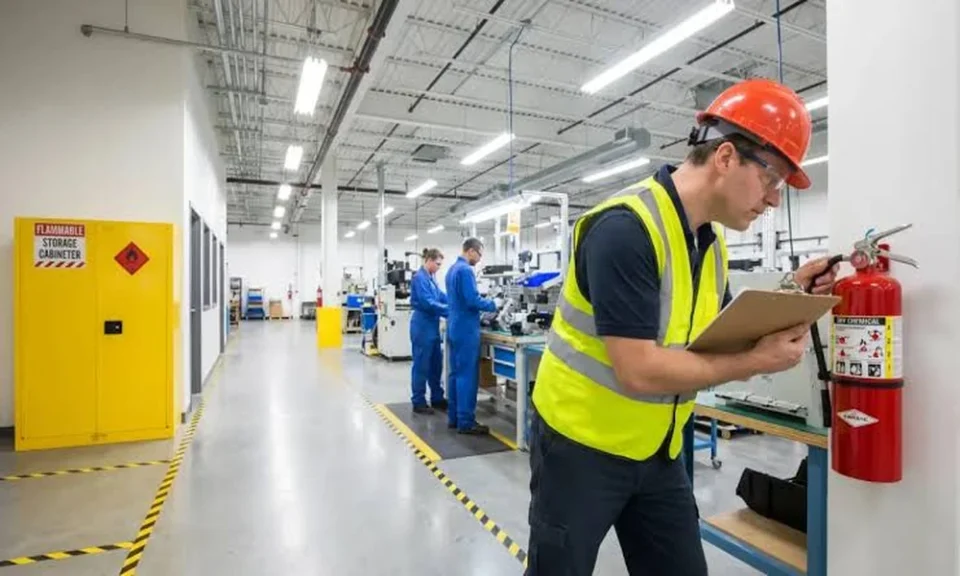
Fire alarms, sprinklers, extinguishers, emergency lighting, and other fire protection equipment should be inspected and maintained regularly. Equipment should remain accessible and ready to use.
Any faults should be addressed as soon as possible.
Manage Hot Work Carefully
Welding, cutting, grinding, and other hot work can produce sparks and high temperatures. Before beginning such activities, the area should be checked for combustible materials and other hazards.
Fire watch may be required to monitor the area during and after hot work.
Keep Emergency Routes Clear
Emergency exits, stairways, hallways, and access points should remain free of boxes, equipment, and other obstructions. Clear routes allow people to evacuate more easily and help emergency responders reach the affected area.
Exit signs should also remain visible.
Train Employees
Employees should understand basic fire prevention practices and know what to do if they notice a hazard or fire. Training can cover emergency exits, alarm procedures, evacuation routes, and the appropriate use of fire extinguishers.
Regular training and drills can help employees respond calmly during an emergency.
Use Fire Watch When Necessary
Fire watch can provide additional monitoring when fire protection systems are temporarily unavailable or when activities create increased fire risks. Trained personnel can inspect designated areas, identify hazards, and respond according to established procedures.
Review Safety Procedures
Fire risks can change as a facility’s equipment, layout, and activities change. Safety procedures should therefore be reviewed regularly and updated when necessary.
Regular inspections can also help identify areas that require additional attention.
Conclusion
Commercial facilities can reduce fire risks through practical measures such as maintaining electrical systems, storing materials safely, inspecting fire protection equipment, managing hot work, keeping emergency routes clear, and training employees. Fire watch can provide additional protection when needed. Consistent attention to these measures helps create a safer facility and provides better protection for people, property, and business operations.
