
A homeowner in Mesquite notices a thin line of ants crossing the kitchen counter one April morning. That same week, a family two streets over finds a small pile of papery wings on a windowsill. Both reach for the phone, and both assume the fix will look about the same. It rarely does. One problem can usually be settled in an afternoon, while the other may call for years of watching. The difference has little to do with how alarming things look on day one and everything to do with where the pest lives, how it breeds, and whether the conditions that invited it will still be there next month.
Sorting out that difference is everyday work for All Pro Pest Control Services, a family owned outfit treating Dallas area properties since 1999. Its crews cover places like Forney, Rockwall, Garland, Rowlett and Terrell, handle termites along with bed bugs and mosquitoes, and work in houses as well as offices, restaurants and medical buildings. Customers can book a single treatment or set up protection that runs all year, which is exactly the choice worth understanding before signing up for either.
Here is a pest by pest way to think it through, grouped by how each creature actually behaves around a North Texas home.
Wanderers That Come In and Drift Back Out
Plenty of household bugs are outdoor animals that took a wrong turn. Crickets, pill bugs, millipedes and most house spiders show up after heavy rain, during a cold snap, or when the porch light pulls in insects for spiders to hunt. One good treatment around the foundation, thresholds and window frames often settles them, especially when paired with sealing gaps and trimming plants back from the walls.
The exception is the brown recluse. It is common across North Texas and perfectly happy living indoors in closets, garages and stored boxes. Seeing one is a nuisance. Seeing them again and again usually means an established indoor population, and that turns a one time visit into a longer project with monitoring traps and decluttering.
The Roach That Has Never Been Outside
The large reddish brown American cockroach, often called a palmetto bug, mostly lives in sewers, mulch and tree bark and wanders inside now and then. A perimeter treatment and some caulking keep those encounters rare.
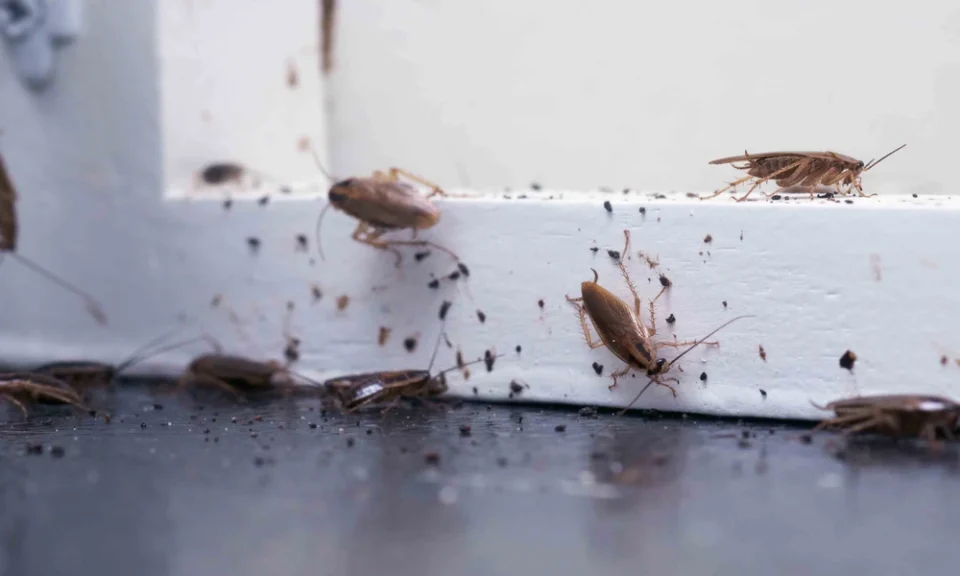
The German cockroach is a different story. It is small, light brown, marked with two dark stripes behind the head, and lives almost entirely indoors. The Urban and Structural Entomology Program at Texas A&M notes that females carry their egg capsules until the eggs are ready to hatch, giving the young a better shot at survival, and that heavy infestations usually need follow up visits. Getting rid of them tends to unfold in stages.
- An inspection finds harborage spots behind the fridge, under the sink, inside cabinet hinges and around the dishwasher.
- Small dabs of gel bait go into those cracks, while foggers are avoided because they scatter roaches into new hiding places.
- The household cuts off food and water by wiping crumbs, fixing drips and picking up pet food at night.
- A return visit about two weeks later catches nymphs that hatched after the first round.
Once they are gone, German roaches do not need a year round plan unless they keep riding in on grocery bags, used appliances or through shared apartment walls.
Bed Bugs Keep Their Own Calendar
Bed bugs need more than one visit and less than a year. Hatchlings are about the size of a poppy seed and adults reach the size of an apple seed, hiding in mattress seams, headboards, baseboards and outlets near the bed. The catch is the eggs. Many products struggle to kill them, and they hatch within a week or two, so chemical plans usually involve two or three visits spaced about two weeks apart. Heat treatment tries to finish in one long session by raising the room to a temperature the bugs cannot survive.
After that, protection comes from habits like checking hotel mattresses before unpacking and inspecting secondhand couches before they come through the door.
Fire Ants and Mosquitoes Run on Weather
Some pests never fully leave because the yard keeps producing them. Red imported fire ants are a fixture around Dallas, and new mounds pop up after rain. Treating a single mound knocks down what you see, but neighboring colonies move back in. Texas A&M AgriLife has long promoted a two step method that pairs a broadcast bait across the lawn with treatment of problem mounds, usually in spring and again in fall.
Mosquitoes follow a similar rhythm. Culex mosquitoes that carry West Nile virus stay active through the warm months in Dallas County, and the Asian tiger mosquito breeds in tiny amounts of water. A spring through fall program makes sense, but no treatment holds up if the yard keeps refilling breeding spots. The usual culprits include
- plant saucers, buckets and toys left in the grass
- clogged gutters and sagging tarps over grills or woodpiles
- birdbaths and pet bowls that sit for days without fresh water
Dumping these weekly breaks the cycle, since mosquitoes can go from egg to biting adult in about a week of summer heat.
Termites Play the Longest Game of All
Those wings on the windowsill belong here. Subterranean termites swarm in North Texas mostly in spring, often on a warm day after rain. The swarmers do no harm themselves but signal a mature colony nearby. Termites have straight antennae, a thick waist and four equal wings, while flying ants have bent antennae and a pinched waist. Pencil wide mud tubes on the foundation and small dirt patches pushed through drywall are other giveaways.
Treatment usually means either a liquid termiticide barrier in the soil or a ring of bait stations that colonies feed from and carry home. This is the one pest where long term coverage is almost always right. Most termite warranties renew yearly with an annual inspection, because a treated house stays protected only while someone keeps checking it. Keeping mulch and firewood off the slab and several inches of foundation visible makes those inspections far more useful.
When the Building Sets the Schedule
Sometimes the property decides. Restaurants and medical offices handle constant deliveries and food and face inspections that expect a documented pest program. Homes backing onto creeks, greenbelts or Lake Ray Hubbard see steady pressure from rodents, ants and mosquitoes. Rentals change hands often enough that bed bugs or roaches can arrive with each tenant. For buildings like these, regular service works less like an extra and more like routine maintenance.
Looking at Your Own House First
Before choosing between one visit and an ongoing plan, answer a few honest questions. Does the pest live inside or out? Does it breed fast enough that eggs will outlast a single treatment? Will something about the yard, the structure or the way the building is used keep inviting it back? A good technician should walk through those same questions out loud and explain why a plan fits, rather than reaching for the biggest package. When the reasoning makes sense to you, the plan usually will too.
