
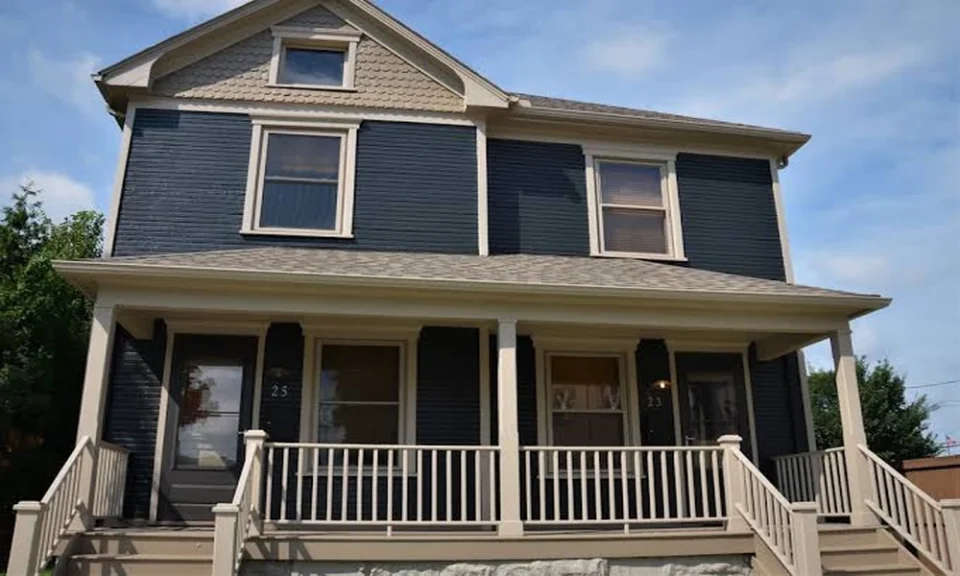
First impressions matter, and for a house, the first impression happens at the curb. Fresh siding, a solid front door, clean rooflines, and tidy landscaping all signal a well-kept home, and they can influence how buyers, neighbors, and even insurers view the property. But not every exterior upgrade delivers the same value. Some projects pay back much of their cost in appearance, durability, and energy savings, while others are mostly personal taste. Knowing how to compare them helps you spend where it counts. When you are ready to weigh your options with a professional, an exterior remodeling contractor in Wilmington can help you decide which upgrades suit your home, your budget, and your timeline.
This guide ranks exterior projects by what they actually do for your home and explains how to decide among them.
How to Measure the Value of an Exterior Project
Before choosing a project, decide what you want it to accomplish. Most upgrades deliver value in four ways:
- Appearance. How much the project improves the look of the home from the street.
- Protection. How well it shields the structure from water, wind, sun, and pests.
- Efficiency. Whether it lowers heating and cooling costs.
- Longevity and upkeep. How long it lasts and how much maintenance it needs.
A project that scores well in several categories is usually a stronger investment than one that only improves looks. Resale return varies by region and market, so treat national averages as a rough guide and ask local professionals what buyers in your area value.
Entry Door Replacement
The front door is the focal point of the facade, and replacing a worn one is often among the most cost-effective exterior projects. A new steel or fiberglass door improves security, reduces drafts, and refreshes the look of the entry in a single day of work. Pay attention to weatherstripping, the threshold, and the quality of the lock hardware, since these affect performance as much as the door itself.
Siding Replacement or Repair
Siding covers the largest visible surface of the house, so it has an outsized effect on appearance and protection. Options such as fiber cement, vinyl, engineered wood, and metal each offer different balances of cost, durability, and maintenance. If your siding is in decent shape, repairing damaged sections and repainting may deliver most of the benefit at a fraction of the cost. If it is warped, cracked, or hiding moisture damage, replacement protects the structure underneath. Ask whether insulation or a new weather-resistant barrier can be added during the project, since the walls are already open.
Roofing
A roof in good condition is quiet value. Buyers and inspectors look closely at roof age and condition, and a failing roof can derail a sale or trigger insurance questions. Replacement is a large expense, so the timing should be driven by condition rather than curb appeal alone. When it is time, choosing the right material and ensuring proper ventilation and flashing matter more than color.
Windows
New windows can improve comfort, reduce noise, and cut energy loss, while also refreshing the facade. They are a larger investment than doors, so prioritize the worst-performing ones first, such as those with failed seals, rot, or heavy drafts. Look at performance ratings instead of brand names, and make sure installation includes proper flashing.
Garage Doors
Garage doors can occupy a surprising share of the front of a house. A new insulated door can improve appearance, reduce noise, and help moderate temperatures in an attached garage. Because of the visual footprint, even a simple style change can alter how the entire front elevation reads.
Decks, Porches, and Outdoor Living Spaces
Outdoor living spaces add usable area and appeal, but their value depends on quality and upkeep. A well-built, well-flashed deck or porch is an asset, while a neglected one is a liability. Materials range from pressure-treated lumber to composite and PVC products, each with different maintenance demands and costs. Make sure the structure, footings, and connection to the house are done correctly, and confirm permit requirements before building.
Trim, Paint, and Finishing Details
Paint and trim are among the most affordable ways to refresh a home. Quality exterior paint, applied after proper surface preparation, can last for years and protects the underlying materials. Replace rotted trim before painting, since covering damaged wood only hides the problem. Choose colors that suit the architecture and the surroundings, and consider how the shades will look in different lighting.
Gutters, Drainage, and Grading
These upgrades rarely show up in listing photos, but they protect everything else. Proper gutters, downspouts, and grading keep water away from walls and foundations. Poor drainage can undermine the best siding and paint. If you are investing in new exterior finishes, make sure water management is part of the plan.
Energy-Related Upgrades
Exterior projects are a natural chance to improve efficiency. Adding insulation during siding replacement, sealing air leaks, upgrading windows and doors, and improving attic ventilation can all reduce energy use. The U.S. Department of Energy provides practical guidance on how these improvements work together in its guide to weatherization and energy efficiency, which can help you identify the changes that make the most sense for your home.
Landscaping and Hardscape
Plants, walkways, and lighting frame the house and shape its first impression. Simple, well-maintained landscaping often outperforms elaborate designs that demand constant care. Keep plants trimmed back from the walls to protect siding and improve airflow, and make sure walkways are level, safe, and well lit.
How to Prioritize Your Projects
Few homeowners can do everything at once. A useful order of operations is:
- Protect the structure first. Roof, flashing, drainage, and moisture problems come before anything cosmetic.
- Fix what is failing. Rotted trim, broken windows, and damaged siding should be addressed before upgrades.
- Improve efficiency. Insulation, air sealing, and high-performance openings reduce long-term costs.
- Enhance appearance. Doors, paint, lighting, and landscaping finish the look.
Coordinating related work, such as siding and windows, can save money because access, scaffolding, and cleanup are shared.
Budgeting and Financing
Costs depend on materials, the size of the home, the condition of the underlying structure, and local labor rates. Set aside a contingency for hidden issues such as rotted sheathing, which often appear once old materials come off. Compare financing options carefully, including interest rates, fees, and repayment terms, and avoid large upfront payments before work begins.
Mistakes to Avoid
- Choosing finishes before addressing moisture or structural issues
- Selecting products based only on price or brand
- Skipping permits for work that requires them
- Accepting vague estimates that do not name materials
- Ignoring how projects interact, such as roofing, gutters, and siding
- Overinvesting in a style that does not suit the neighborhood
Questions to Ask Before You Hire
- Which projects do you recommend first for this home, and why?
- What materials and products are included in the estimate?
- How will hidden damage be handled if it is discovered?
- Who handles permits, inspections, and cleanup?
- What warranties cover the materials and the workmanship?
- Are licensing and insurance documents available?
- What is the expected timeline, and how will weather delays be handled?
Final Thoughts
The best exterior upgrades combine good looks with real protection. Start with the structure and water management, fix what is failing, then layer in efficiency and appearance. Compare options by what they deliver over time, not just by what they cost today, and choose professionals who explain their reasoning and put the details in writing. A home that is well protected and thoughtfully finished keeps its appeal long after the project is done.
