
]
Key Highlights
- Selecting the right timber species is crucial for ensuring the staircase can handle heavy foot traffic.
- Harmonising the stairs with an existing parquet wood floor creates a seamless visual flow.
- Safety features such as non-slip coatings and proper lighting are vital for multi-storey homes.
- Professional installation is required to ensure structural integrity and prevent future creaking.
Introduction
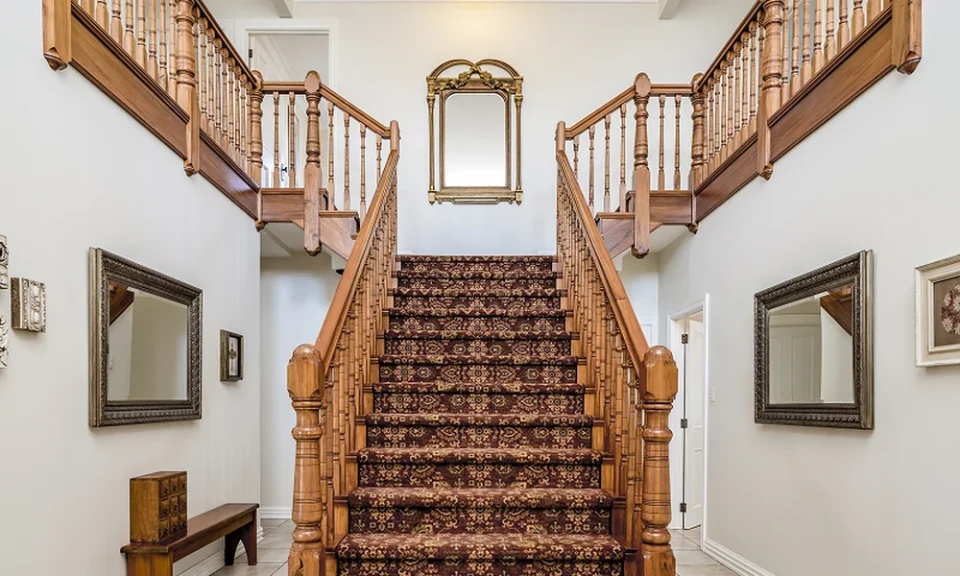
Adding a wooden staircase to a home is a definitive way to introduce architectural elegance and a sense of warmth. Whether you are renovating a landed property or a spacious maisonette, the staircase often serves as a primary focal point that connects different living zones. However, installing timber steps is a complex task that requires more than just an eye for design. Homeowners must consider various technical aspects, from the wood’s moisture content to the specific installation methods used to secure each tread. Wood is a living material that reacts to its environment, making it essential to understand how it will perform over time. By preparing adequately, you can ensure that your wooden staircase remains a beautiful and safe feature of your home for many years.
Material Compatibility and Visual Flow
When planning an installation, you must consider how the new structure will interact with your existing flooring. Many homes feature a parquet wood floor, which consists of smaller timber blocks arranged in geometric patterns. To achieve a cohesive interior look, it is often best to choose a staircase material that complements the species and stain of your parquet. For instance, if your flooring is made of rich teak, using the same timber for your stairs will create a continuous, uninterrupted aesthetic. If a perfect match is not possible, selecting a contrasting wood that shares similar undertones can also work effectively. This attention to detail prevents the staircase from looking like an afterthought and instead makes it feel like an integral part of the home’s architecture.
Prioritising Safety and Grip
A staircase is a high-risk area for slips and falls, particularly in households with elderly residents or active children. While a polished wooden staircase looks stunning, the smooth surface can become quite slippery if not treated correctly. During the installation process, homeowners should request anti-slip grooves or specialised grit-impregnated finishes that provide extra traction without compromising the wood’s beauty. Additionally, the choice of handrails and balustrades plays a significant role in safety. These elements should be ergonomically designed and securely fastened to support a person’s full weight. Proper illumination is also a factor; installing recessed LED lights along the stringers or under the treads can highlight the path and prevent accidents during the night.
Maintenance and Noise Prevention
Unlike stone or tile, timber requires specific maintenance to keep it in peak condition. Over time, the constant pressure of footsteps can cause some wooden stairs to develop a creak. This noise usually occurs when the wood expands or shrinks due to humidity, causing the treads to rub against the risers or the stringer. Working with experienced craftsmen who understand the local climate can help minimise this issue through precise joinery and utilising high-quality adhesives. Furthermore, homeowners should be prepared to periodically reseal or re-wax the timber to protect it from moisture and scratches. A well-maintained wooden staircase will not only look better but will also remain silent and sturdy, providing a peaceful environment within the home.
Structural Integrity and Professional Installation
The structural demands placed on a staircase are immense, as it must support significant weight and withstand constant vibration. It is not a project suitable for a standard DIY approach. A professional installer will assess the load-bearing capacity of your walls and floors before beginning work. They will also ensure that the rise and run of each step comply with local building codes, which is essential for both comfort and legal compliance. In homes where a parquet wood floor is already present, the installer must take care not to damage the existing floorboards while anchoring the staircase. Choosing the right experts ensures that the joints are tight and the foundation is solid, preventing the wobbling or shifting that can occur with poor workmanship.
Conclusion
A wooden staircase is a significant investment that adds both financial and aesthetic value to your property. By focusing on material harmony, safety protocols, and professional craftsmanship, you can avoid common pitfalls and enjoy a stunning result. The warmth of wood underfoot provides a comfort that other materials cannot match, especially when it is designed to complement the rest of your home’s timber features. Taking the time to research and plan your installation will lead to a durable, quiet, and beautiful addition to your living space. With the right care and the right materials, your stairs will stand as a testament to quality design.
To ensure your renovation project is handled with the highest level of expertise and quality materials, contact Wood Capitol today.
