
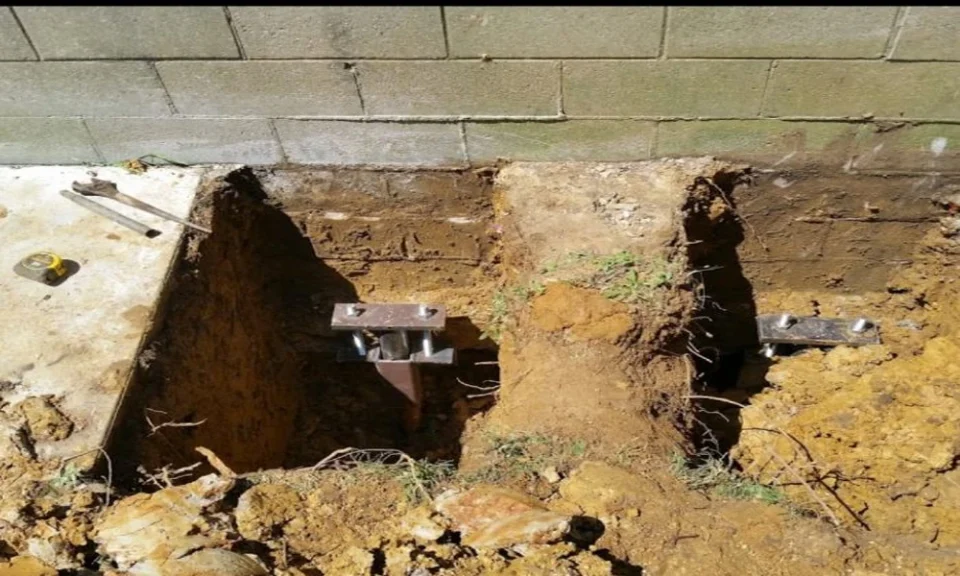
Discovering a foundation problem can raise many questions for homeowners. Cracks in walls, uneven floors, sticking doors, and gaps around windows may suggest that something has changed within the structure. However, identifying a possible problem is only the beginning. Understanding the cause, choosing an appropriate solution, and knowing what to expect afterward are equally important. Foundation repair should be approached as a process that addresses the underlying concern rather than simply covering up visible damage.
Homeowners experiencing structural concerns can consult foundation repair specialists in Midlothian to learn more about available services and professional evaluations. Whether a property has experienced settlement, moisture-related problems, or other structural changes, understanding the steps involved can help homeowners make informed decisions about their next course of action.
Understanding Why Foundations Develop Problems
A foundation supports the weight of a building and transfers that load to the underlying ground.
When soil conditions change or structural components experience unusual stress, visible problems may develop.
In areas with expansive clay soils, changes in moisture can cause the ground to swell or shrink. These movements may affect the support beneath a home.
Poor drainage, plumbing leaks, erosion, and improperly compacted soil can also contribute to foundation-related concerns.
However, not every crack or uneven surface indicates a serious structural issue. A professional evaluation is necessary to distinguish ordinary material movement from conditions requiring further attention.
Why Identifying the Cause Matters
Repairing visible damage without understanding its source can lead to recurring problems.
For example, patching a crack may improve the appearance of a wall, but it will not necessarily address ongoing soil movement or water intrusion.
Similarly, adjusting a sticking door may restore its operation temporarily without resolving the condition that caused the misalignment.
Before recommending foundation repair, a qualified professional should consider the property’s symptoms, construction characteristics, and surrounding conditions.
Some situations may require additional assessment by a licensed structural engineer to determine the nature and extent of the problem.
The objective is to select an appropriate response based on evidence rather than appearance alone.
Soil Conditions Can Influence Foundation Performance
The soil beneath a home plays an important role in structural stability.
Different soil types respond differently to changes in moisture and loading.
Clay-rich soils can expand when wet and contract as they dry. If these changes occur unevenly beneath a building, portions of the foundation may experience different levels of movement.
This process can contribute to differential settlement or other structural concerns.
Homeowners cannot control every natural change in soil conditions, but they can pay attention to drainage patterns and water-related problems around the property.
Understanding local soil behavior can also help explain why foundation conditions vary between neighboring homes.
Drainage Problems Should Not Be Ignored
Water management is an important consideration when maintaining a home’s foundation.
Gutters that overflow, downspouts that discharge directly beside exterior walls, and ground surfaces that direct water toward the house may contribute to moisture problems.
Over time, repeated water accumulation can affect soil conditions and building materials.
The U.S. Environmental Protection Agency’s guidance on moisture control emphasizes the importance of identifying and correcting sources of unwanted moisture.
Although moisture management alone cannot resolve every structural problem, addressing drainage concerns may be an important part of a broader maintenance or repair strategy.
Recognizing Different Types of Foundation Movement
Foundation movement does not always appear in the same way.
Some homes experience settlement, where portions of the structure move downward. Others may experience upward movement associated with soil expansion or other ground conditions.
Movement may also affect different parts of the building unevenly.
This can create visible changes such as sloping floors, cracks near openings, or separation between structural and finishing materials.
The direction and extent of movement influence which solutions may be appropriate.
Homeowners should avoid assuming that a repair method used on another property will necessarily address the conditions affecting their own home.
Common Approaches to Structural Repairs
Different foundation problems may require different solutions.
Depending on the structure and diagnosis, repairs may involve underpinning systems, stabilization methods, crack repairs, drainage improvements, or other specialized techniques.
Some methods are intended to provide additional support to portions of a foundation, while others address specific damage or contributing conditions.
The suitability of any approach depends on factors such as soil conditions, foundation design, accessibility, and the extent of structural movement.
Before approving foundation repair, homeowners should ask why a particular method is recommended and what outcome it is intended to achieve.
They should also understand whether the proposed work addresses structural support, moisture intrusion, cosmetic damage, or a combination of concerns.
What Homeowners Should Ask Before Work Begins
A repair proposal should provide enough information for homeowners to understand the recommended work.
Ask which areas of the foundation are affected and what evidence supports the diagnosis.
Homeowners should also discuss the proposed repair method, expected construction activities, approximate schedule, and any limitations associated with the work.
It is important to understand whether additional services, such as plumbing repairs, drainage modifications, or cosmetic restoration, are included.
Questions about permits, warranties, payment terms, and post-repair expectations should be addressed before signing an agreement.
Clear communication helps reduce misunderstandings once construction begins.
Preparing the Property for Repair Work
Some structural repairs require access to areas around the exterior foundation, while others may involve work inside the home.
Depending on the method, homeowners may need to relocate outdoor furniture, move stored belongings, or clear access to affected areas.
Landscaping, patios, walkways, and other nearby features may also influence the work area.
Before construction begins, ask what preparations are necessary and whether any existing features could be disturbed.
Homeowners should also discuss how workers will access the property and whether certain areas will temporarily be unavailable.
Understanding these details makes it easier to plan household activities during the project.
Understanding What Repairs Can Accomplish
One of the most important parts of the process is establishing realistic expectations.
A repair may be designed to stabilize a structure or address a specific foundation condition, but that does not necessarily mean every existing crack, slope, or cosmetic irregularity will disappear.
Some finishing repairs may need to be completed separately.
The results also depend on the nature of the original problem and the repair method selected.
Homeowners should request a clear explanation of the intended outcome rather than assuming that structural work will restore every part of the property to its original appearance.
Monitoring the Home After Repairs
Completing foundation repair does not eliminate the value of regular home maintenance.
Homeowners should continue observing drainage conditions, visible cracks, and other changes around the property.
Dated photographs and maintenance records can help document conditions over time.
It is also useful to retain repair contracts, inspection reports, warranties, and any engineering documentation associated with the project.
If new or worsening symptoms appear, homeowners should contact an appropriate professional for evaluation.
Routine observation can help identify concerns before they become more disruptive.
Avoiding Common Maintenance Mistakes
One mistake homeowners make is assuming that every foundation concern has the same cause.
Another is focusing exclusively on cosmetic repairs while overlooking drainage or other contributing conditions.
Ignoring recurring water accumulation, delaying evaluation of significant structural movement, or making unqualified repairs can complicate existing problems.
Homeowners should also avoid excavating near foundations or attempting major structural modifications without appropriate professional guidance.
Maintaining the property involves recognizing when ordinary upkeep is sufficient and when specialized expertise is necessary.
Making Informed Decisions About Your Property
Structural concerns can be stressful, particularly when homeowners are uncertain about the severity of the problem or the cost of addressing it.
Gathering reliable information is an important first step.
A thorough evaluation, clear explanation of findings, and well-defined repair proposal can help homeowners compare their options.
When significant structural conditions are involved, an independent engineering assessment may provide additional information.
The goal is not simply to complete work quickly, but to understand why the work is needed and how it relates to the property’s long-term condition.
Protecting Your Home Starts With Understanding the Problem
A stable foundation is essential to a home’s overall structural performance, but visible warning signs do not always reveal the complete story. Soil conditions, drainage, construction characteristics, and patterns of movement all deserve consideration before selecting a solution. Taking an informed approach to foundation repair can help homeowners address identified concerns while making more confident decisions about their property.
Homeowners looking for professional assistance can contact Midlothian Foundation Repair Specialists to discuss their concerns and explore available evaluation and repair services. Understanding the property’s condition and the purpose of any recommended work is an important step toward maintaining its structural integrity.
