
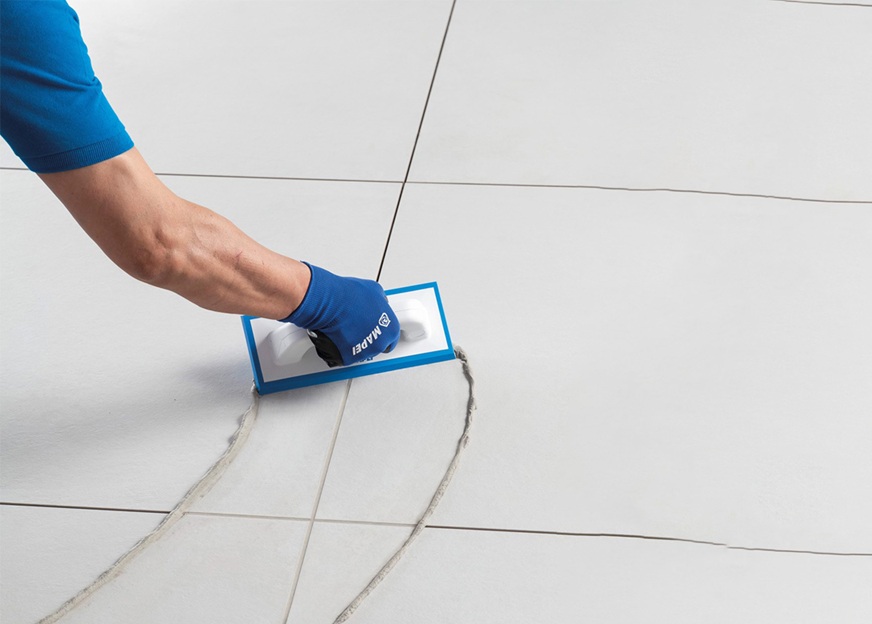
A Mapei approved epoxy applicator is not simply a contractor who has decided to work with a particular brand of resin products. The designation means something specific and consequential, and in an industry where the difference between a correctly installed floor and a failing one can come down to millimetres of thickness or minutes of pot life management, that specificity matters enormously. Across Singapore’s industrial and commercial construction sectors, the demand for certified installation expertise has grown alongside the complexity of the flooring systems being specified, and the role of the mapei approved applicator sits at the centre of that growing expectation.
What Does Mapei Approval Actually Mean
To understand the significance of the certification, it helps to understand what the approval process involves. Mapei operates a structured programme through which installers and contractors are assessed against defined technical standards covering product knowledge, surface preparation methodology, application technique, and quality control procedures.
A Mapei certified epoxy applicator must demonstrate competence across each of these areas before approval is granted. The assessment is not a formality. It reflects the reality that epoxy flooring systems are technically demanding materials, where incorrect mixing ratios, inadequate substrate preparation, or inappropriate application conditions can produce failures that are both expensive and difficult to remediate. Approved applicators are expected to maintain their knowledge as product ranges evolve, and to apply that knowledge consistently across every project undertaken under the certification.
The Technical Foundation of Approved Application
Epoxy flooring systems are two-component materials that require precise handling from the moment the components are combined. Once the resin and hardener are mixed, the pot life clock begins, and every decision made from that point onward must account for the working time available. Temperature, humidity, substrate moisture content, and coat thickness all interact in ways that can accelerate or retard the curing process.
A Mapei approved epoxy flooring applicator understands these variables and manages them systematically. Concrete substrates must be mechanically abraded, typically by diamond grinding or shot blasting, to achieve the correct surface profile. In Singapore’s consistently humid environment, moisture vapour transmission from the concrete slab is a persistent challenge, and a certified applicator will assess and address this condition before any resin is applied.
The application process itself requires attention at every stage:
- Correct mixing of resin and hardener components in the manufacturer-specified ratio
- Consistent spread rate to achieve the specified dry film thickness
- Proper back-rolling or squeegee technique to eliminate air entrapment and ensure even coverage
- Appropriate intercoat timing to allow each layer to reach the correct cure stage before the next is applied
- Environmental monitoring throughout installation to ensure temperature and humidity remain within acceptable limits
Why Certification Matters for Project Outcomes
The consequences of using an uncertified installer can be significant and long-lasting. Delamination, where the floor separates from the substrate, is among the most common failures associated with poor surface preparation. Pinholing and bubbling arise from moisture in the substrate or incorrect application technique. Colour inconsistency and uneven finish can result from variable spread rates or inadequate mixing.
When a mapei approved epoxy applicator carries out an installation, the project benefits from a documented chain of competence that links the specified product to its correct application, with practical implications for warranty, regulatory compliance, and long-term floor performance.
In Singapore’s industrial flooring market, where pharmaceutical manufacturers, food processors, and logistics operators hold their facilities to strict hygiene and performance standards, the certification of the installer has become a standard specification requirement. As one observation from Singapore’s flooring sector reflects: “Specifying a Mapei approved applicator has become as important as specifying the product itself, because the best material in the world will underperform if it is not installed correctly.”
Certification Standards and Project Accountability
The framework within which a certified Mapei epoxy applicator operates provides clear accountability at every stage of a project. Before work begins, the applicator assesses substrate conditions and confirms they meet installation criteria. During the work, the applicator manages the application environment and documents key parameters. After completion, the installation record supports any warranty claim and provides a reference point for future maintenance planning.
Key elements of certified project delivery include:
- Pre-installation substrate assessment and moisture testing
- Documentation of mixing ratios, application temperatures, and coat thicknesses
- Verification of pot life management and application timing
- Post-installation inspection and handover records
- Access to manufacturer technical support throughout the project
Selecting an Approved Applicator in Singapore
For project teams and building owners in Singapore, identifying a Mapei approved epoxy applicator is a matter of verifying current approval status and reviewing the applicator’s project history within the certified scope. The investment in a certified installer is, in most cases, a modest proportion of the overall flooring budget. The cost of remediation following a failed installation typically far exceeds any savings made by selecting a lower-cost, uncertified alternative.
Conclusion
The flooring beneath an industrial or commercial facility is not merely a surface. It is a system that must perform under continuous stress, support hygiene protocols, and endure for years without significant intervention. That system is only as reliable as the hands that installed it, and those hands should belong to a mapei approved epoxy applicator.
