
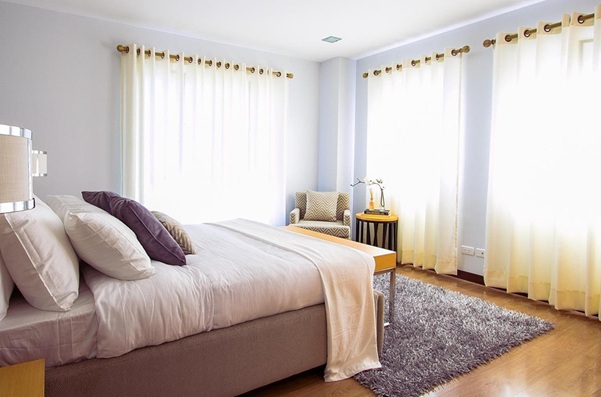
There’s something undeniably powerful about a space that feels calm the moment you step into it. Not empty. Not sterile. But balanced, warm, and quietly refined. That atmosphere doesn’t happen by accident—it’s crafted through intentional choices. Brands like Nusarah embody this philosophy by blending natural inspiration with thoughtful design, transforming everyday environments into serene retreats.
The Shift Toward Intentional Living
Modern living has become faster, louder, and more cluttered than ever. As a result, people are increasingly drawn to interiors that offer a sense of escape. Not just visually appealing spaces, but environments that feel restorative.
Natural materials play a central role here. Cotton, wood, and soft textures introduce a tactile softness that synthetic materials often lack. At the same time, subtle design choices—like flowing fabrics or organic shapes—help soften harsh architectural lines.
This shift isn’t just aesthetic. It reflects a deeper desire for mindful living, where every object serves both a purpose and an emotional function.
Why Materials Matter More Than You Think
It’s easy to overlook materials when choosing home decor. Color and shape often steal the spotlight. Yet, the material determines how a product feels, ages, and interacts with its surroundings.
Consider the difference between synthetic fabrics and natural cotton. One feels rigid and artificial, the other breathable and alive. Over time, that difference becomes more noticeable, influencing not just comfort but the overall ambiance of a room.
Key qualities that elevate a living space:
- Breathability and softness for comfort
- Durability for long-term use
- Natural origins that connect indoors with the outside world
- Subtle textures that add depth without overwhelming the space
When these elements come together, the result is not just decoration—it’s atmosphere.
The Art of Craftsmanship
Mass production has made products more accessible, but often at the cost of character. Items created in large quantities tend to feel identical, lacking the small imperfections that give objects their soul.
Handcrafted products tell a different story. Each piece carries the mark of its maker—slight variations, careful finishes, and a level of attention that machines simply can’t replicate.
This is where craftsmanship becomes more than a production method. It becomes a philosophy.
True craftsmanship slows things down. It values precision over speed and quality over volume. And in a world that constantly pushes for more, faster, cheaper—that approach stands out.
Bringing Softness into Structured Spaces
Most modern homes are built with clean lines and sharp angles. While visually appealing, these structures can sometimes feel rigid or cold.
Soft elements act as a counterbalance. Think flowing fabrics, draped textiles, or suspended pieces that move gently with the air. These additions introduce motion and softness, creating a more inviting environment.
One particularly effective way to achieve this is through layered textiles. They don’t just decorate a space—they reshape it.
Ways to introduce softness:
- Use lightweight fabrics that move naturally
- Add layered textures instead of bold patterns
- Incorporate suspended elements to create vertical flow
- Balance structured furniture with organic shapes
The result is subtle, but impactful. A room that once felt static begins to feel alive.
Indoor Comfort Meets Outdoor Freedom
The boundary between indoor and outdoor living has become increasingly fluid. Balconies, terraces, and gardens are no longer separate spaces—they are extensions of the home.
This shift requires products that can adapt. Materials must withstand changing conditions while maintaining their aesthetic appeal. At the same time, they should contribute to the same sense of calm found indoors.
That balance—between durability and elegance—is not easy to achieve. It requires careful design and thoughtful material selection.
When done right, outdoor spaces become just as inviting as interiors. Places where you can unwind, host, or simply enjoy a quiet moment without distraction.
Sustainability as a Design Principle
Sustainability is often treated as an add-on. A feature. A bonus. But in truly thoughtful design, it becomes a foundation.
This means considering every stage of a product’s life:
- Where do the materials come from?
- How are they processed?
- Who creates the product?
- What happens at the end of its lifecycle?
When these questions guide the design process, the result is more than a beautiful object. It’s a responsible one.
Small choices matter. Plastic-free packaging, reusable storage solutions, and the use of recycled materials all contribute to a reduced environmental footprint. Individually, they may seem minor. Collectively, they redefine what luxury means.
Designing for Atmosphere, Not Just Appearance
A well-designed space does more than look good—it feels right. That feeling is often hard to describe, but instantly recognizable.
It comes from harmony. From the way materials, shapes, and light interact. From the absence of unnecessary clutter. From the presence of thoughtful details.
Instead of focusing on filling a room, the goal becomes shaping an experience.
And that experience is deeply personal.
Some prefer minimalism. Others lean toward layered, textured environments. There’s no single formula. But there is a common thread: intention.
When every element has a purpose, the space begins to tell a story. Not loudly, but quietly. Not forcefully, but naturally.
