
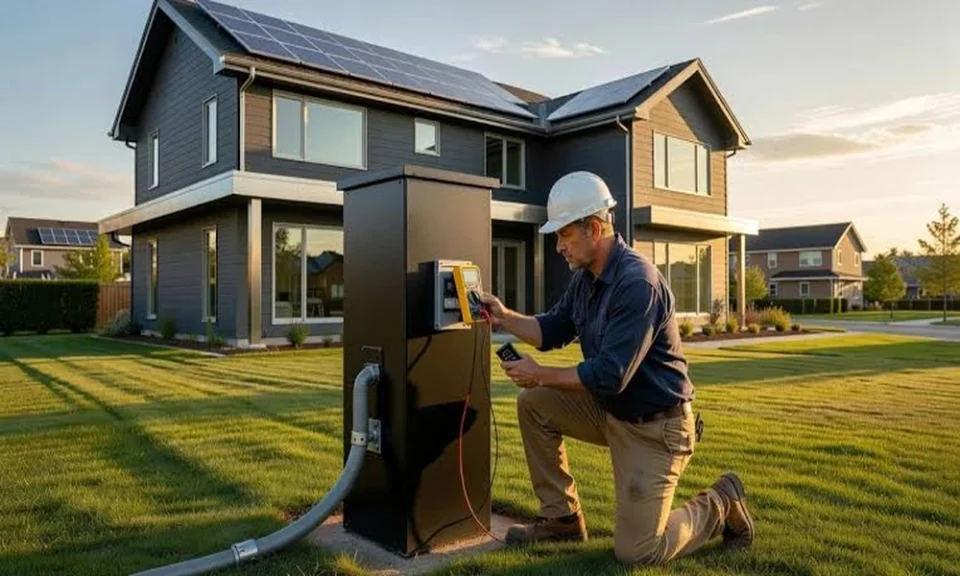
Electricity is essential to modern living, supporting everything from household appliances and lighting to heating, cooling, and smart home technology. As residential properties become increasingly dependent on electrical equipment, maintaining a safe and efficient system is more important than ever. Working with a qualified Sacramento electrician can help property owners address electrical concerns, plan necessary upgrades, and ensure their systems meet applicable safety requirements.
Understanding the Importance of Residential Electrical Maintenance
An electrical system consists of multiple components that work together to distribute power throughout a property. These include the main electrical panel, circuit breakers, wiring, outlets, switches, and grounding equipment. When all these components function correctly, electricity can be distributed safely and consistently.
However, electrical infrastructure can deteriorate over time. Older wiring, loose connections, damaged insulation, and outdated circuit breakers may affect system performance. Some problems develop gradually and remain unnoticed until they cause interruptions or create safety hazards.
Homeowners should watch for common warning signs, including:
- Lights that flicker or dim unexpectedly.
- Circuit breakers that trip frequently.
- Electrical outlets that become unusually warm.
- Burning odors near switches or electrical equipment.
- Buzzing sounds coming from panels or outlets.
- Appliances that experience inconsistent power supply.
These symptoms should not be ignored. Electrical faults require proper diagnosis, and potentially dangerous conditions should be assessed by a qualified professional.
When Does an Electrical Panel Need an Upgrade?
The electrical panel is responsible for distributing electricity to different circuits throughout a building. Circuit breakers provide protection by interrupting power when excessive current flows through a circuit.
Older properties may have electrical panels that were originally designed for considerably lower energy consumption. Modern households use multiple high-demand appliances, including air conditioners, electric ovens, clothes dryers, and electric vehicle charging equipment.
This increase in demand can make an existing electrical panel insufficient for current requirements.
A panel upgrade may be worth considering when:
- The existing panel has limited capacity for additional circuits.
- Breakers repeatedly trip under normal operating conditions.
- The equipment shows signs of corrosion or physical deterioration.
- The property is undergoing a major renovation.
- New electrical appliances require additional capacity.
An upgrade should not be based solely on the age of the panel. An electrical professional can evaluate the existing installation, calculate expected electrical demand, and determine whether replacement is necessary.
How Electric Vehicle Charging Changes Home Electrical Requirements
Electric vehicles have introduced new considerations for residential electrical planning. Homeowners who previously relied on standard household outlets may now require dedicated charging equipment.
Level 1 charging uses a standard household outlet and generally provides slower charging speeds. Level 2 charging operates on a higher-voltage circuit and can provide faster charging, making it a practical option for regular residential use.
Before installing a charging station, several technical factors should be evaluated:
| Installation Factor | Why It Matters |
|---|---|
| Panel capacity | Determines whether the electrical service can support additional demand. |
| Circuit requirements | Ensures the charger receives an appropriately rated supply. |
| Wiring distance | Influences conductor sizing and installation complexity. |
| Grounding and protection | Helps reduce electrical shock and equipment risks. |
| Charger location | Determines mounting and environmental protection requirements. |
A professional load calculation can help establish whether the current electrical infrastructure can accommodate the charger or requires modifications.
Why Dedicated Electrical Circuits Matter
Certain household appliances consume significantly more electricity than ordinary electronic devices. Equipment such as electric ranges, water heaters, HVAC systems, and clothes dryers may require dedicated circuits.
A dedicated circuit supplies power to a particular appliance without sharing its capacity with other devices. This arrangement helps prevent circuit overloads and supports reliable equipment operation.
Dedicated circuits are also useful for specialized installations, including outdoor kitchens, hot tubs, saunas, and workshop equipment.
The circuit must be designed according to the appliance’s electrical specifications, conductor requirements, and applicable building codes. Incorrect installation can result in overheating, equipment damage, or other electrical hazards.
Planning these requirements before purchasing new equipment can help homeowners avoid unnecessary installation expenses.
What Should Homeowners Know About Electrical Permits?
Electrical improvements often involve more than installing new equipment. Depending on the project, permits and inspections may be required to confirm that the work complies with applicable regulations.
For example, electrical panel replacements, new circuits, and certain equipment installations may require approval from the relevant local building department.
The City of Sacramento’s Building Permit Guidelines explain which types of electrical work require permits and how property owners or contractors can apply. Requirements can vary depending on the project and jurisdiction.
Permits serve several important purposes:
- Confirm that proposed work meets applicable safety requirements.
- Allow inspections of completed electrical installations.
- Create an official record of permitted improvements.
- Help identify installation problems before they become more serious.
Homeowners should confirm permit requirements before beginning electrical projects. It is also advisable to retain copies of inspection approvals and related documentation for future property maintenance.
Improving Energy Efficiency Through Electrical Improvements
Energy efficiency is another important consideration when maintaining a residential electrical system. Although electricity consumption depends on household habits and appliance usage, equipment selection and system design can make a meaningful difference.
LED lighting is a practical example. Compared with traditional incandescent bulbs, LEDs generally consume less electricity and have a longer operating life.
Other improvements may include:
Smart lighting controls: Motion sensors and programmable lighting systems can reduce unnecessary electricity consumption.
Energy-efficient appliances: Modern appliances are often designed to use less electricity while maintaining performance.
Smart thermostats: Programmable temperature controls can help manage heating and cooling schedules.
Electrical system improvements: Properly maintained wiring and correctly sized circuits support reliable equipment operation.
Homeowners should remember that energy-efficient equipment still requires appropriate electrical connections and installation practices.
Recognizing the Importance of Professional Electrical Inspections
Regular electrical inspections can help identify potential problems before they become expensive repairs or serious safety concerns.
Inspections are particularly useful when purchasing an older property, planning renovations, adding major appliances, or experiencing repeated electrical interruptions.
An inspection may include checking the electrical panel, examining visible wiring, evaluating outlets, testing protective devices, and reviewing grounding arrangements.
The Consumer Product Safety Commission’s Electrical Safety Checklist provides additional guidance for identifying electrical hazards in residential environments.
Although homeowners can perform basic visual checks, internal electrical components should not be opened or repaired without the appropriate qualifications.
Professional inspections are especially valuable because some electrical problems cannot be identified through a simple visual examination.
Preparing Electrical Infrastructure for Future Technology
Residential electrical requirements will continue to evolve as new technologies become more common. Electric vehicles, heat pumps, solar energy systems, battery storage, and smart home equipment can all influence electricity demand.
Homeowners planning future improvements should consider their existing electrical service capacity and potential expansion requirements.
For example, someone planning to purchase an electric vehicle may benefit from evaluating charging requirements before installing other major electrical equipment. Similarly, homeowners considering an accessory dwelling unit should account for additional electrical demand during the planning stage.
Keeping records of previous upgrades, electrical inspections, equipment specifications, and permits can also make future maintenance easier.
Forward planning helps property owners avoid repeated modifications and supports a more organized approach to residential improvements.
Conclusion
A dependable electrical system is essential for maintaining a comfortable and functional home. From electrical panel upgrades and dedicated circuits to EV charging installations and routine inspections, every improvement should prioritize safety, reliability, and long-term performance.
Understanding common electrical warning signs and knowing when professional assistance is necessary can help homeowners make better maintenance decisions. With appropriate planning, qualified installation, and regular inspections, residential electrical infrastructure can remain prepared for changing household needs and future technologies.
