
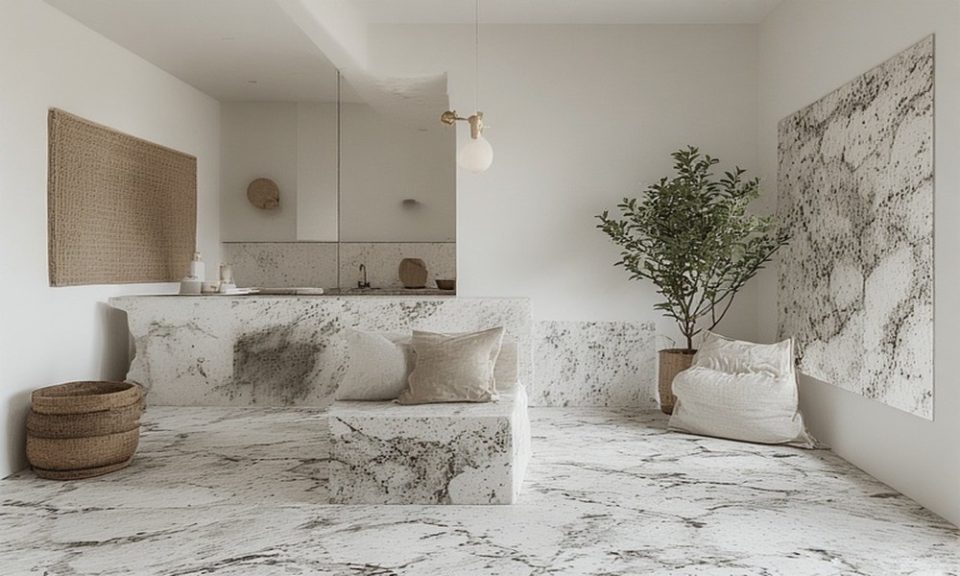
Every so often, a material comes along that quietly reshapes the world of design. Porcelain slabs have done just that, captivating architects and interior designers alike. Their rise to prominence is not just a matter of style, but a testament to substance, strength, and stunning versatility.
Myth 1: Porcelain Slabs Are Fragile and Easily Damaged
For years, porcelain was unfairly maligned as delicate. In reality, the science behind modern porcelain slabs tells a different story. Manufactured at extremely high temperatures, these slabs undergo a transformation that results in a material with impressive density and durability. This process gives them the ability to withstand heavy daily use without chipping or cracking.
You only need to look at bustling kitchens, busy bathrooms, and even commercial spaces using porcelain countertops to know the reputation of fragility is outdated. The robust nature of porcelain makes it a go-to for professionals who demand materials that can handle real life.
Myth 2: Porcelain Countertops Require High Maintenance
Some still believe that porcelain slabs demand painstaking care. The truth is far more appealing. Thanks to their non-porous surface, porcelain countertops naturally repel stains and liquids. Daily messes, spilled coffee, splattered sauce, or even red wine, wipe away with minimal effort. Unlike natural stone, which often needs periodic sealing and special cleaners, porcelain thrives on simplicity.
In terms of maintenance, porcelain clearly outshines many alternatives. Natural stones like marble and granite may look luxurious, but their porous nature means stains and etching are always lurking around the corner. Porcelain offers premium looks with none of the sleepless nights.
Myth 3: Porcelain Cannot Withstand Heat
Worried about placing a hot pan on your new countertop? With porcelain, that worry disappears. This material resists heat exceptionally well, preserving its integrity even when exposed to high temperatures from pots or hair tools. By comparison, many synthetic surfaces can warp or discolor under similar conditions.
In kitchens and bathrooms where heat is a daily factor, designers consistently favor porcelain for its reliability. It combines beauty and function in a way that few other materials manage.
Myth 4: Porcelain Lacks Design Versatility
Some assume porcelain slabs are only available in bland, uniform colors. The opposite is true. Thanks to advanced manufacturing, porcelain can convincingly mimic marble, granite, or even exotic stones. Whether you gravitate toward the dramatic veining of Calacatta or the subtle elegance of travertine, porcelain can deliver.
More than just countertops, porcelain slabs can be used for accent walls, shower surrounds, fireplace facades, and coordinated flooring. This flexibility allows designers to create cohesive, flowing spaces that maintain a luxurious feel from room to room.
Myth 5: Porcelain Installation Is Cost-Prohibitive
Sticker shock often fades when long-term value is considered. Porcelain’s initial cost can be comparable to or even less than some high-end stones, especially when factoring in its low maintenance and durability. Unlike materials that require frequent upkeep or risk costly repairs, porcelain maintains its flawless appearance over years of use.
Professionals also appreciate the flexibility of installation. Slabs and tiles can be custom cut to fit any project, allowing for seamless integration and fewer visible joints. In the end, the investment pays for itself through longevity and ease of care.
Myth 6: Porcelain Slabs Are Only Suitable for Countertops
Limiting porcelain slabs to countertops alone means missing out on their true potential. Today’s top designers regularly specify porcelain for fireplace walls, shower enclosures, and even large-format flooring. The ability to use the same material throughout a space brings a sense of harmony and elegance that is hard to achieve with mixed materials.
This expanded use is already visible in many high-end homes and commercial settings, where porcelain’s consistency adds both visual impact and practical benefits.
Myth 7: Porcelain Is Less Hygienic Than Other Materials
In environments where cleanliness cannot be compromised, porcelain stands tall. Its non-porous surface leaves bacteria, mold, and moisture nowhere to hide, making it a superior choice for kitchens and bathrooms. Unlike porous stones, which can harbor germs deep within, porcelain offers peace of mind for families and professionals alike.
For those exploring sophisticated, easy-to-maintain surfaces, Quartz Blanc porcelain slab countertops are an excellent resource, offering both inspiration and a broad selection of designs fit for any project.
Porcelain slabs are redefining what’s possible in modern design. With unmatched durability, style options, and practical advantages, it’s no wonder design professionals are reaching for porcelain again and again. The future of elegant, functional spaces is here, and it just might be porcelain.
