
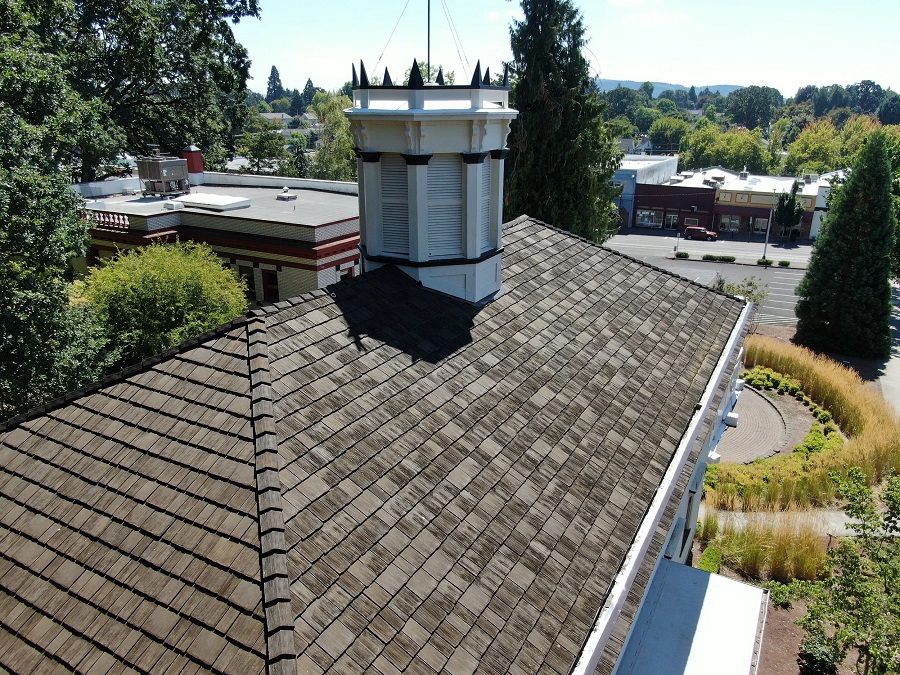
Understanding the Importance of Historic Roofs
The Cultural Significance of Architectural Heritage
Historic roofs encapsulate the very essence of architectural heritage, acting as silent yet powerful narrators of our past. Each roof tells a story: it conveys the craftsmanship, cultural practices, and socio-economic conditions of the era in which it was built. In many communities, historic roofs serve as iconic landmarks, contributing to a town or city’s identity. They reflect unique architectural styles fostered by influences such as geography, available materials, and technology of their time. By preserving these roofs, we not only maintain historical narratives but also foster a sense of continuity, allowing future generations to connect with their ancestry and appreciate the evolution of architecture. Historic roofs often become touchstones for collective memory, preserving not only their original appearance but also the deep-rooted traditions ingrained in their construction.
As communities increasingly emphasize the importance of sustainability and cultural heritage, the protection of historic roofs takes on a renewed importance. By investing in roof restoration, municipalities and organizations encourage tourism, education, and community pride, solidifying a shared cultural narrative that binds residents together. This emphasis on heritage not only enhances local economies but also reaffirms the intrinsic value of history in shaping identity.
How Roof Styles Reflect Historical Trends
The evolution of roofing styles mirrors broader historical, technological, and aesthetic trends. For instance, the sweeping gables and intricate tile patterns of Gothic architecture stand as a testament to the medieval craftsmanship that characterized that period, while the boxy shapes and flat roofs of mid-century modern buildings reflect the minimalist design ethos of the 20th century. This progression reveals how societal values, resource availability, and technological advancements have shaped architectural trends. Moreover, architectural movements are often responses to prevailing cultural currents, economic developments, or environmental challenges. Romanesque roofs, with their heavy materials and robust construction, were a reflection of early medieval strength and religious devotion, while the ornate roofs of the Baroque period illustrated the ambition and excesses of the time. By analyzing these architectural choices, we gain insights not only into building techniques but also into the values and preoccupations of the societies that created them. Each roof renovation project thus carries with it the weight of history and an obligation to respect and reflect those historical sentiments.
The Role of Roofs in Sustainable Preservation Efforts
The concept of sustainability is not only about the materials we use but also about an ethical obligation toward the preservation of culture and history. Historic roofs can play a pivotal role in sustainable endeavors by minimizing waste and resource depletion associated with demolition and new construction. Restoration projects focus on maintaining original materials, which are often more durable than modern equivalents.
Additionally, incorporating green technologies into restoration practices enhances the sustainability of historic roofs. This could include the installation of green roofs, which not only improve insulation but also contribute to urban biodiversity and stormwater management. Furthermore, the use of reclaimed materials and advanced eco-friendly technologies during restoration can reduce the carbon footprint significantly. Restoring roofs to their original state also plays into the larger narrative of sustainable urban development.
By preserving existing structures, we reduce the extensive resources required for new construction while also honoring historical legacies. Optimizing historic roofs for energy efficiency, through methods such as proper ventilation and the use of reflective materials, ensures the longevity of these structures while adapting them to contemporary energy standards.
Essential Techniques for Accurate Roof Restoration
Selecting Authentic Materials for Genuineness
One of the most crucial aspects of roof restoration lies in selecting materials that are both authentic and appropriate for the structure’s historical context. Using materials that align with the original construction not only preserves the integrity of the building but also respects the craftsmanship of the era when the roof was built. In many cases, this involves sourcing traditional slates, tiles, or wooden shingles that may be difficult to find but are essential for authenticity. The authenticity of materials can also extend to considering the sourcing of these elements. Local materials often have historical significance as they reflect the geographic characteristics and local craftsmanship of the area.
Furthermore, modern techniques can be used to replicate historical roofing materials accurately, ensuring that restorations remain true to the original designs while benefiting from contemporary durability and sustainability. In making decisions regarding materials, it’s important to consult with conservation specialists who understand period-specific techniques and aesthetics. This not only ensures that the materials used are historically accurate but also allows for a meticulous restoration process that aligns with conservation principles that safeguard structures and maintain their historical value.
Innovative Tools and Technologies in Restoration
Advancements in technology have equipped restoration professionals with a variety of tools that enhance both the efficiency and accuracy of historic roof restoration projects. High-resolution drones, for instance, allow for detailed inspections of roof conditions without the need for extensive scaffolding or manual inspections. This promotes safety while providing a comprehensive view of areas that may require attention. Modern scanning technologies have also drastically improved the accuracy of measurements and assessments. Techniques such as 3D scanning and photogrammetry can generate precise models of a roof’s existing condition, enabling restoration teams to create tailored preservation plans.
These tools facilitate a deeper understanding of the structure and its needs, thus minimizing unexpected issues during restoration efforts. Incorporating sustainable materials and advanced manufacturing techniques allows professionals to replicate historically accurate roof styles while integrating modern building science principles. This blending of the old with the new exemplifies the core of historic roof restoration, which is about embracing innovation while respecting tradition. Every era and architectural style brings its unique challenges and considerations when it comes to roof restoration.
Understanding the specifics of different periods be it Colonial, Victorian, Art Deco, or Mid-Century Modern enables restorers to customize their methodologies effectively. Each style encompasses distinct roofing features, decorative elements, and construction techniques that should be preserved. For instance, a Victorian roof might showcase ornate gables and intricate details, requiring an understanding of period-specific molding and trimming techniques for accurate restoration. In contrast, a flat roof from the Art Deco period might warrant different considerations concerning waterproofing and insulation methods. Tailoring approaches based on periods and styles guarantees that restorations not only meet aesthetic criteria but also adhere to functional needs reflective of the original structure. Furthermore, collaboration with historians and architecture experts becomes invaluable in maintaining fidelity to these styles during restoration. The insights gleaned from historical documentation, such as original blueprints and photographs, can inform decisions and best practices. Ensuring that restorations honor the distinctiveness of architectural periods not only enhances aesthetic appeal but also fortifies the educational value of these historic structures.
Challenges and Solutions in Roof Restoration Projects
As roofs age, they inevitably face challenges from both structural decay and environmental factors. Weather exposure can lead to severe deterioration, including rotting wood, rusted metal, and compromised insulation. Accurate assessment of these issues is paramount to effective restoration. Early identification of these problems can lead to remedies that mitigate damage before they escalate. To combat structural decay, restoration professionals often employ techniques such as reinforcement, replacing compromised sections, and applying protective coatings that can help prolong the life of existing materials. Modern materials, designed to mimic traditional aesthetics while providing enhanced durability, can bridge the gap between maintaining historical integrity and addressing modern performance demands.
Furthermore, an upfront analysis that includes a detailed evaluation of materials used in the roof’s original construction can guide restorers in making informed decisions. For example, exploring options like breathable membranes will allow moisture to escape while preventing further decay, thus balancing modern efficacy with historical consideration. As communities become increasingly regulated through modern building codes that prioritize safety and sustainability, historic roof restorations often encounter significant challenges. Striking a balance between staying true to the original architecture and meeting contemporary standards necessitates a thoughtful approach that respects both legality and heritage.
Navigating local codes requires collaboration with building officials and preservation agencies familiar with the delicate intersection of restoration and regulation. Understanding exemptions and allowances within local codes specific to historic buildings enables restoration teams to maintain authenticity without jeopardizing safety. Additionally, adopting a flexible approach when it comes to integrating modern systems for electrical, plumbing, and heating can also aid in adhering to modern codes while promoting the preservation of historical elements. Utilizing insulated roofing solutions that mimic original materials ensures the necessary upgrades do not overwhelm the visual and historical integrity of the existing structure. Successful roof restoration projects often extend beyond the professionals involved, relying heavily on the support and involvement of the wider community. Engaging stakeholders be they property owners, local businesses, or preservation groups fosters a sense of ownership and pride in these projects, leading to better outcomes and broader support. Community initiatives can include awareness campaigns that highlight the cultural significance of historic roofs, encouraging public participation through volunteer workdays or fundraising initiatives. This not only promotes collective effort but builds a sense of unity around preserving shared heritage. Moreover, education is key. Workshops and public discussions that focus on the details of restoration work can demystify the process, allowing stakeholders to appreciate the complexity and value of historic preservation efforts. By creating a sense of communal involvement, restoration projects successfully sow the seeds of collaboration, ensuring a deeper appreciation for cultural heritage remains at the forefront of local identities.
Success Stories: Inspiring Roof Restoration Projects
One of the most compelling success stories in roof restoration is the meticulous restoration of the Victorian-era Adams House in Colorado. After decades of neglect, the property faced significant roofing challenges, including structural damage and the need for authentic materials. The restoration team dedicated themselves to researching the original design and sourcing period-specific materials such as red clay tiles and ornate wooden trusses, meticulously returning the roof to its former glory.
By using a combination of traditional craftsmanship and modern restoration techniques, the team revived the architectural beauty that characterized this historic structure. Not only did this project restore the physical appearance of the house, but it also reinvigorated community interest in local heritage and tourism. The Adams House became a landmark of architectural education, demonstrating the power of effective restoration and its role in preserving the stories of the past while contributing to the present. Another remarkable example is the community-driven restoration of the Old Town Hall in New Bedford, Massachusetts. Once a crumbling structure, the town initiated a collaborative restoration effort, engaging not only local historians but also residents who contributed their time and resources. This project prioritized the roof as a crucial element of historic preservation, ensuring the façade and integrity of the building were maintained. Community fundraising efforts led to free workshops that educated residents on the importance of preservation and historical context, further cementing a culture of heritage respect. The impact of this restoration extended far beyond the physical building. The revitalization of the Old Town Hall spurred further investments into the surrounding area, boosting local businesses and community pride. The project stands as a testament to how collaborative efforts can breathe new life into historic structures, serving as a pillar of cultural identity and economic rejuvenation. Restoration projects not only transform the physical landscape but also have a profound impact on property values and community pride. Case studies indicate that historically restored homes often see a significant increase in market value, as prospective buyers value the character and history embodied by such properties.
More importantly, the restoration of historic roofs fundamentally impacts community sentiment. In neighborhoods where restorations have taken place, community members report increased pride in their surroundings. As historic roofs are preserved and celebrated, local residents often become active custodians of their community heritage, advocating for further preservation initiatives.
By enhancing local aesthetics, these restoration efforts foster a shared identity that resonates with long-standing traditions while appealing to contemporary tastes. This balance signifies not only a respect for the past but an optimistic vision for the future, as communities rejuvenate themselves through the preservation of their architectural heritage. In conclusion, the art of historic roof restoration transcends mere construction it encapsulates a journey through time, preserving stories that connect us to our past.
By understanding the importance of historic roofs and employing meticulous techniques while overcoming challenges, communities can effectively restore these significant structures, harnessing their value for generations to come.
