
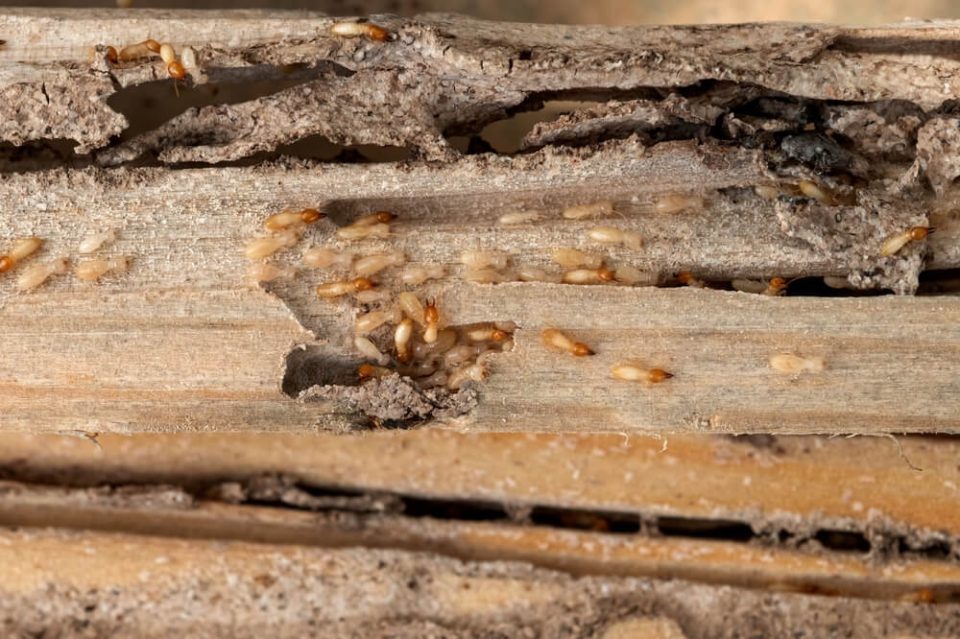
Outdated/Used-up furniture can be an excellent habitat for a wide range of pests, which marks a severe health and safety risk for the homeowner. However, the couch that you love very much has some bed bugs, termites infest your wooden dresser, or your upholstered chairs have fleas, which obviously have to be addressed immediately. Such infested items can be hazardous to the health of your family, as well as to other furniture and the entire structure of your home.
Throwing away pest-infested furniture is not straightforward. Putting infested items in regular trash may allow the pests to spread to a different area or household. If you have no experience dealing with furniture and infested wood, this task might actually make the situation worse. Check it out all the details within our article and learn how to safely dispose of your old furniture.
Why Is It Important to Safely Dispose of Old Furniture Infested with Pests?
Properly getting rid of pest-infested furniture helps control harmful insects and rodents in your home or neighborhood. If the furniture is infested, it can scatter when you dispose of it incorrectly, leading to the formation of a new colony in a different part of the vicinity.
Furnished with pests where potential health dangers, such as allergens, skin irritations, etc. Termites damage the structure of your home, while bed bugs create biting problems that destroy sleep and mental health.
Environmental considerations are also influential in disposal decisions. Research shows that furniture dumped in the wrong locations can house pests for many months and can transfer pests to local ecosystems and wildlife. These methods eliminate a population of pests while not jeopardizing the community’s health and the harmony of the environment.
Methods to Dispose of Old Furniture Infested with Pests
Professional Pest Control Removal Services
Professional pest control companies have an exceptional furniture removal service that enables them to remove all the pests. However, these specialists then move using proper containment measures, including sealed plastic wrapping and fumigation treatment , before easing removal. They also work with waste management facilities that can safely deal with the infected material.
The price varies but typically ranges between $200 to $500 per unit, depending on size and infestation level. However, doing so costs money to prevent expensive secondary infestations and/or local disposal laws to incur.
Municipal Bulk Waste Collection
Most cities do bulk waste pick up and will take furniture with pests, but only if you prepare it properly. Get in touch with your local waste management department to know what criteria they have regarding infested items. Many cities mandate pests to be double-wrapped in thick plastic and clearly marked as infested pests.
When possible, schedule pickup in the cooler months. The lower the temperature during transport, the less active the pests will be. In some areas, advance notice is 3-7 days before they can come to pick up infested furniture.
Specialized Disposal Facilities
Pest-infested furniture can be taken to controlled incinerators in industrial waste facilities or to processing centers for chemical treatments. There are strict protocols in place for the processing plants to keep these pests from escaping when being processed.
Look for local research centers that take hazardous waste from homes. Call ahead to confirm whether they accept or how to prepare for your type of infestation.
Note: Depending on the pest, it may require different disposal methods and can vary from area to area.
Taking the Right Steps Forward
Disposing of infested furniture must be considered carefully, as it can pose a risk to safety, environmental health, and community health. These are safe options for deterring improper disposal that risks spreading pests elsewhere
Evaluate how bad your infestation is and how expensive the furniture is before you decide to throw it out. In some cases, a professional can get it out and save some of your valuable stuff; other times, it is such an infestation that it has to all be gotten out and put away.
Consult a licensed pest control expert to evaluate your case and provide the best option for the disposal method.
