
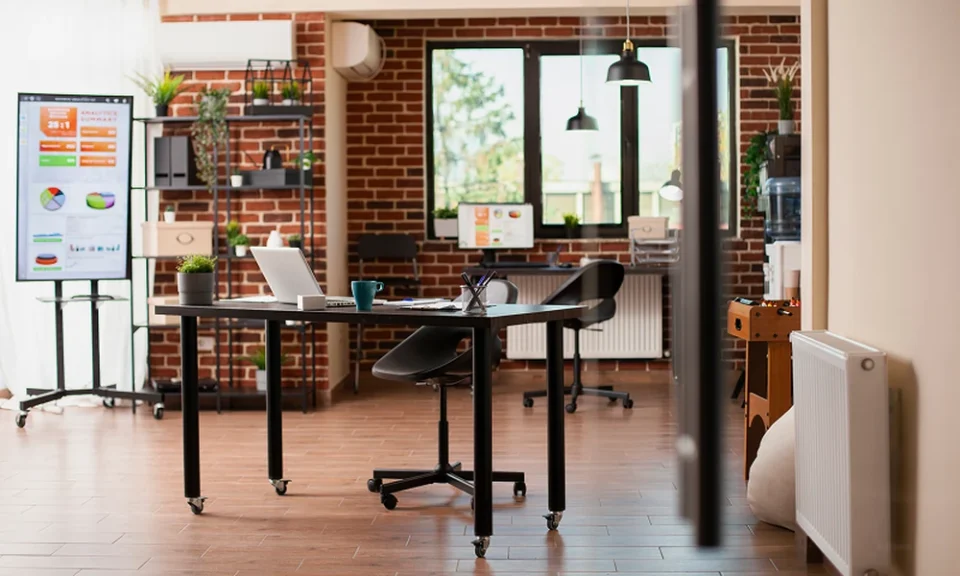
Image Recommendation: A newly renovated office space with sleek desks and shelving in the foreground, and a lone employee visibly shifting position in an uncomfortable chair.
Have you ever walked into a freshly renovated office, admired how put-together it looked, and then noticed by the end of your first meeting that you couldn’t quite get comfortable in the chair? It’s a strange but common experience, because a room can look completely finished while the one piece of furniture people actually spend the most hours touching gets the least amount of thought. Most office furnishing decisions get made from a floor plan and a mood board, and a chair rarely photographs as the hero of either one.
The Real Cost of Furnishing an Office Around What Looks Good
Buying office furniture in Singapore tends to start with the pieces that shape how a room reads at first glance, which usually means desks, shelving, and sometimes a meeting table. These items get compared side by side in showrooms because their differences are easy to see, and a decision-maker touring a few options can usually settle on one within a single visit. A chair doesn’t reveal its flaws that quickly. It can feel fine for the first ten minutes and only start showing its limits after two or three hours of continuous use, by which point the purchase decision has already been made.
What Ends Up Getting Cut When the Budget Gets Tight
- The chair line item gets trimmed to a lower tier first, since it’s the easiest cost to shave without visibly changing how the office looks in photos
- Adjustability features like lumbar depth or armrest width get treated as nice-to-haves rather than functional requirements
- One chair specification gets applied across an entire team regardless of body size or how many hours each role actually spends seated
- Replacement gets pushed down the road as a future problem rather than budgeted for at the point of first purchase
None of these decisions looks unreasonable in isolation, particularly when a renovation budget is already stretched across flooring, lighting, and partitions. The trouble is that they compound quietly over the following year, showing up as complaints about back pain, requests to work from home more often, or a slow trickle of replacement purchases that cost more in total than getting the specification right the first time.
Where the Chair Actually Belongs in the Buying Order
A more useful approach is to treat the office chair as the first line item locked in, before desks or shelving get finalised, precisely because it’s the item with the least room for compromise once people are working from it every day. This doesn’t mean overspending on every seat in the building. It means setting a minimum specification, such as adjustable lumbar support and a mechanism warranty covering a reasonable stretch of years, and treating anything below that floor as a false economy regardless of budget pressure elsewhere in the project.
Comparing What a Cheap Chair Actually Costs Over a Few Years
| Budget Chair | Properly Spec’d Chair | |
| Upfront cost | Lower, often under $300 | Higher, typically $700-$1,400 |
| Typical replacement | Every 1-2 years as padding and mechanisms wear out | Rarely before the warranty period ends, often 3-5 years or more |
| Hidden cost | Discomfort that quietly affects focus and posture over months | Adjustment features that actually get used, since they fit properly |
The upfront price gap between a budget chair and a properly specified one looks larger on paper than it turns out to be once replacement cycles are factored in. A chair that needs replacing every year or two because the foam has compressed or the gas lift has failed ends up costing close to, or sometimes more than, a single well-built chair that lasts through its full warranty period. The comparison rarely gets made this way during the initial purchase, since the two options are usually evaluated on sticker price rather than cost per year of actual use.
Getting the Priorities Right Before Signing Off on an Order
A practical way to apply this is to separate the furniture list into two categories before quotes come in: items where visual consistency matters most, such as desks and shelving, and items where daily physical comfort matters most, such as chairs. The first category has more room for budget flexibility since a slightly less premium desk finish rarely affects how someone feels at the end of a workday. The second category deserves the firmer floor on specification, since it’s the one place where cutting corners shows up as a recurring cost rather than a one-time saving.
An office that gets this order right ends up looking just as put-together as one that didn’t, with the added benefit of nobody quietly dreading their own desk by the second week of moving in.
To see how a properly specced chair compares to a budget one in person, visit an Ergoworks showroom before finalising the rest of the office order.
