
Sustainable living is no longer just a trend; it’s a necessity. Housing projects contribute significantly to energy consumption and resource depletion. Builders and homeowners alike are exploring ways to reduce the environmental footprint of residential developments. From the construction phase to day-to-day living, small changes can create a large impact. This article explores strategies for environmental impact reduction in housing projects, emphasizing practical steps home builders and homeowners can implement.
Eco-Friendly Materials For Home Builders
Home builders are increasingly choosing materials that are sustainable and durable. Using recycled steel, bamboo, and low-VOC paints reduces the strain on natural resources. Locally sourced materials cut down transportation emissions. Beyond the environmental benefits, these choices often lower long-term maintenance costs. Modern home builders can design houses that are energy-efficient and structurally sound while significantly reducing environmental harm.
Water Conservation Techniques In Bathroom Remodeling
Bathroom remodeling plays a vital role in conserving water in homes. Installing low-flow toilets, faucets, and showerheads helps reduce water consumption. Modern fixtures are designed to maintain performance while using less water. By integrating rainwater harvesting and greywater recycling systems, bathroom remodeling projects can dramatically lower water waste. Homeowners benefit from lower utility bills, and the environmental footprint of housing projects is minimized.
Energy Efficiency Strategies For Home Builders
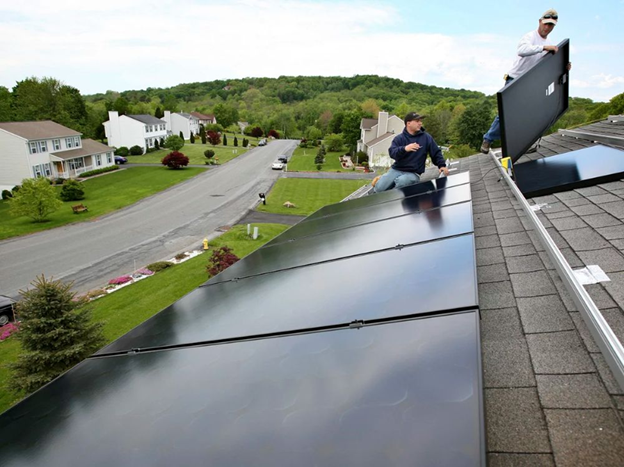
Incorporating energy-efficient solutions is crucial for reducing emissions. Home builders can focus on insulation, solar panels, and energy-efficient windows. Proper orientation of homes maximizes natural lighting and reduces the need for artificial heating and cooling. These measures allow houses to consume less electricity and support sustainable living. Home builders who prioritize energy efficiency create projects that are both environmentally responsible and cost-effective.
Sustainable Practices In Bathroom Remodeling
Bathroom remodeling offers opportunities to adopt sustainable practices beyond water conservation. Using recycled or eco-friendly materials for tiles and countertops, as well as LED lighting, reduces the overall environmental impact. Selecting durable fixtures extends the lifespan of the bathroom, preventing frequent replacements. Sustainable bathroom remodeling integrates both design and functionality, ensuring that homeowners contribute to greener living spaces without compromising comfort.
Waste Management Approaches For Home Builders
Construction generates a significant amount of waste, but home builders can implement strategies to minimize it. Segregating materials, recycling, and donating usable items reduces landfill contributions. Prefabrication techniques also cut down on onsite waste. Home builders who integrate waste management plans into their projects support a cleaner environment while maintaining efficiency. Every recycled material counts toward reducing the environmental burden of housing projects.
Green Landscaping For Sustainable Housing
Landscaping is often overlooked in environmental planning, but it can reduce energy needs and support biodiversity. Using native plants, rain gardens, and permeable surfaces decreases water usage and prevents soil erosion. Green roofs and walls provide insulation and reduce urban heat effects. Sustainable landscaping complements the environmental initiatives of home builders and homeowners alike, creating holistic eco-friendly housing projects.
Conclusion
Reducing the environmental impact of housing projects requires a combination of smart planning, sustainable materials, and innovative practices. Home builders play a crucial role in integrating eco-friendly designs, energy efficiency, and waste management. Bathroom remodeling offers specific opportunities to conserve water and adopt sustainable practices. By considering these strategies, housing projects can minimize their environmental footprint while providing safe, comfortable, and efficient living spaces. Sustainable choices today ensure healthier homes and a greener planet for tomorrow.
