
Homes without proper shade coverage often feel harder to cool, especially during hot Cincinnati summers. If your AC seems to run nonstop yet your home still feels uncomfortable, poor shade coverage may be the hidden reason.
Let’s break down why shade matters so much for HVAC performance and what homeowners can do to fix the problem.
How Direct Sunlight Increases Cooling Demand
When sunlight hits your home directly, it does more than brighten your rooms. Walls, roofs, floors, and furniture absorb that solar heat and slowly release it back into your living space. This process is called solar heat gain, and it can raise indoor temperatures quickly.
Without trees, awnings, or exterior shading, your HVAC system has to remove all that extra heat. That means longer run times, higher energy use, and a system that never seems to catch up. Many Cincinnati homes with large south or west-facing windows feel this effect the most in the afternoon and early evening.
Why Your HVAC System Works Harder And Longer
An HVAC system is designed to remove a certain amount of heat. When your home absorbs more heat than expected, the system is pushed beyond its comfort zone. It runs longer cycles to maintain the thermostat setting, which increases wear on key components like the compressor and fan motor.
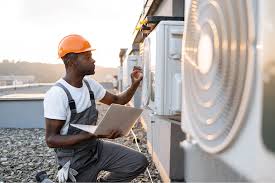
Outdoor units also suffer. When condenser units sit in full sun with no shade nearby, they operate in hotter surrounding air. That makes it harder to release heat, reducing efficiency and increasing the risk of overheating. Over time, this extra stress can shorten the lifespan of the system.
How Shade Improves HVAC Performance
Adding shade reduces the amount of heat your HVAC system has to fight. Exterior shading blocks sunlight before it enters the home, which is far more effective than relying on cooling alone. Trees, awnings, pergolas, and exterior shades all help lower indoor temperatures naturally.
Inside the home, using blinds or curtains during peak sunlight hours can make a noticeable difference. Combined with proper insulation and sealing, shade helps your HVAC system run shorter, more efficient cycles.
A Local Approach To Smarter Cooling
Homes across the Cincinnati area face intense summer sun, especially in open neighborhoods with limited tree cover.
That is why working with a local expert matters. HELP Plumbing, Heating, Cooling, and Drains understands how local weather patterns and home layouts affect HVAC performance.
If your AC struggles despite regular maintenance, a professional evaluation can identify heat gain issues and recommend practical solutions. Improving shade is not just about comfort. It is a smart way to protect your HVAC system, lower energy bills, and keep your home cool all season long.
