
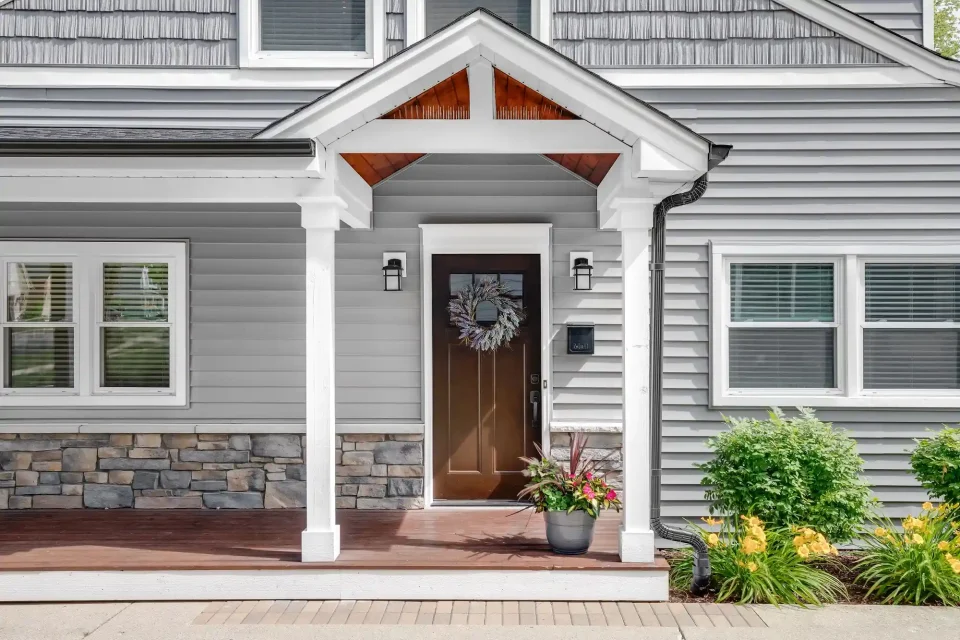
Refreshing the exterior of a home in Mokena isn’t just about looks—it’s about long-term protection, higher efficiency, and measurable equity gains. The right upgrades coordinate materials, color, and detail so older structures feel updated without losing character. Whether you’re weighing siding, trim, windows, or coatings, a phased plan helps you prioritize what delivers the best return. If you’re unsure where to begin, Start Here and outline your top goals—durability, comfort, or curb appeal—so every choice aligns with your budget. With a clear roadmap, you can approach Exterior Remodeling Mokena IL with confidence, knowing each step adds value and resilience.
Modern Siding Options That Refresh Older Homes
Siding drives first impressions and shields your home from Midwest weather, making it a top priority for older properties that need both visual and structural upgrades. Fiber cement, insulated vinyl, and engineered wood have all advanced in durability, color stability, and profiles that mimic classic materials without their maintenance burdens. These products help correct waviness, hide past patchwork, and tighten the building envelope to improve energy performance. When chosen thoughtfully, new cladding can modernize proportions, refine shadow lines, and unify the facade with crisp transitions at corners and trim. In short, smart siding choices are foundational to Exterior Remodeling Mokena IL, because they blend protection and design in one high-impact investment.
Choosing materials for Midwest durability
Fiber cement stands out for fire resistance, dimensional stability, and authentic texture, which suits historic neighborhoods that favor timeless curb appeal. Insulated vinyl reduces thermal bridging and offers a broad palette of baked-in colors, plus accessories that integrate soffit, vents, and trims for a cohesive look. Engineered wood balances warmth and performance, with factory-applied finishes that resist moisture and UV exposure while maintaining a natural grain. Regardless of material, insist on rainscreen spacing or well-detailed housewrap so walls can dry properly, and specify flashing details at windows, doors, and penetrations. Focus on elements that affect value most: consistent lap exposure, clean terminations at corners, and color families that compliment roofing and masonry. When combined, these decisions refine both the envelope’s performance and the home’s visual rhythm, setting a strong baseline for the rest of the remodel.
Fascia and Trim Upgrades for Better Protection
Fascia, soffit, and exterior trim are more than accents; they are the front lines of water management at the roofline and around openings. On older homes, this is where rot often starts, especially where gutter fasteners, flashing transitions, and paint failures let moisture linger. Upgrading these components improves function and instantly sharpens the architectural edges that define a home’s style. Aluminum-wrapped fascia, cellular PVC trim, and prefinished fiber cement trims each offer different balances of cost, rigidity, and maintenance. For homeowners comparing priorities in Exterior Remodeling Mokena IL, these upgrades safeguard structure while tightening the home’s visual composition.
Profiles, materials, and installation best practices
Cellular PVC trim excels at crisp edges and low upkeep, making it ideal for high-exposure zones, while fiber cement trim resists swelling and holds paint for years. If you prefer a wood look, choose primed cedar with back-primed cuts and stainless fasteners to manage swelling and prevent staining. Pair fascia upgrades with continuous drip edge and properly sized gutters pitched to downspouts; these small details keep water from curling under the shingles and into the soffit. Ventilated soffit panels are equally important, since balanced intake and exhaust airflow protects the roof deck and can reduce ice dam risks in winter. On the aesthetic front, consistent reveal dimensions and proportionally sized corner boards visually “tighten” the facade, letting siding read flatter and more modern. Done together, these moves create a durable frame around the house, improving both longevity and the crispness of every adjoining plane.
Window Enhancements That Improve Light and Efficiency
Windows shape the way your home feels from the inside and reads from the street, making them a strategic upgrade when seeking comfort and ROI. New units reduce drafts, lower noise, and boost daylight, especially when glass coatings and spacer technologies are chosen for our climate. Frame materials—from fiberglass and composite to clad-wood—offer different expansion rates and maintenance profiles, which matter in freeze-thaw cycles. Sightlines have grown slimmer too, so you can increase glass area without enlarging rough openings. If you’re mapping the sequence of upgrades, Start Here with a light and energy audit so your window choices align with insulation and HVAC plans.
Selecting styles and glass packages
In colder zones, low-e glass tuned for higher solar heat gain in winter with low U-factors can improve comfort without sacrificing clarity; in sunnier exposures, select coatings that balance glare control with natural light. Argon-filled double panes are a cost-effective default, while triple-pane options add quiet and thermal stability where budgets allow. Consider casement windows for tighter air seals compared with double-hungs, and specify warm-edge spacers to reduce condensation at the perimeter. Proper installation is non-negotiable: integrated flashing, sloped sill pans, and fully sealed interiors ensure performance matches the sticker. Grid patterns and exterior colors should echo the home’s era while gently updating proportions; slimmer muntins and darker frames can modernize without feeling out of place. For homeowners pursuing Exterior Remodeling Mokena IL holistically, windows are a linchpin that ties together comfort, style, and long-term efficiency.
Weatherproof Finishes That Extend Exterior Lifespan
Finishes act as armor against moisture, UV, and temperature swings, and the right system can add years to your exterior’s service life. Acrylic and elastomeric coatings bridge hairline cracks on masonry, helping prevent water intrusion that leads to efflorescence and spalling. On wood and engineered products, factory finishes typically outperform field-applied coatings thanks to controlled environments and precise mil thicknesses. When repainting, surface prep matters most: clean, dull, and dry substrates create the bond that keeps color true and prevents early peeling. In climates like ours, specifying breathable yet waterproof systems helps moisture escape while keeping bulk water out.
Systems approach to moisture defense
Think in layers: a quality weather-resistive barrier, well-detailed flashings, and compatible sealants work together to keep assemblies dry. High-performance sealants—such as silane-modified polymers—adhere to a variety of substrates and remain flexible, reducing joint failure around trim, penetrations, and claddings. On stucco or fiber cement, backer rod paired with tooled sealant joints allows movement without telegraphing cracks to the surface. For decks and transitions, flashing tapes and metal counterflashings should overlap shingle-style, channeling water down and out of the wall. Plan maintenance intervals realistically—washing siding annually, inspecting sealants biannually, and scheduling repaint cycles before coatings fail is far cheaper than restorative overhauls. With this layered mindset, you build resilience into the structure, protecting your investment while keeping the exterior clean and cohesive.
Clean Design Lines That Boost Visual Appeal
Modern curb appeal often comes from restraint: tight alignments, consistent reveals, and purposeful color contrast. Older homes especially benefit when the visual clutter is edited—fewer textures, simplified trim depths, and careful hardware selection make the architecture feel intentional. Lap siding with a uniform exposure, paired with slightly oversized corner boards, reads straighter and more tailored than small, fussy trims. Matching gutter and fascia colors create a continuous roofline, while matte finishes and low-sheen paints keep reflections in check. These choices quietly elevate the facade, drawing attention to proportions instead of patchwork repairs.
Simple choices with big curb-appeal returns
Start with a streamlined color strategy: a dominant field color, a tonal trim, and a single accent used sparingly at the door or lighting. If you want a subtle contemporary edge, specify black or bronze window exteriors that outline openings like picture frames. Align horizontal elements—siding laps, window heads, and trim bands—so the eye reads one unbroken line, an approach that makes a structure feel more composed. Choose flat, square-edge casings where appropriate, reserving ornate profiles for homes whose architecture genuinely calls for them. Finally, keep penetrations tidy by grouping exterior fixtures and routing lines cleanly; the absence of visual noise is often what makes a remodel look premium. When you execute these small moves consistently, the home appears quieter, sharper, and more valuable at a glance.
Combining Craftsmanship and Innovation for Lasting Results
The most successful remodels merge time-tested techniques with modern products, so details hold up and warranties mean something. Craftspeople who understand sequencing—framing, flashing, cladding, then finish—prevent the small missteps that often cause bigger failures later. Product innovations like rainscreen clips, integrated window flanges, and factory-finished trims save labor while improving performance. Yet it’s the hands-on execution—plumb walls, square openings, true corners—that allows those innovations to work as designed. In a market that values both resilience and beauty, a team that respects the craft while embracing new solutions consistently delivers outsized results.
Checklist for a value-focused exterior remodel
Begin with a comprehensive assessment that documents moisture risks, insulation levels, and facade movement, then prioritize projects that stabilize the building envelope before cosmetic upgrades. Select material systems designed to work together—matching manufacturer components often simplifies warranties and reduces compatibility issues. Confirm details in writing: flashing diagrams, reveal dimensions, and finish schedules help ensure the field installation aligns with the design vision. Verify crews follow best practices like rainscreen spacing, sill pans under windows, and proper nail patterns on siding; these unseen steps are the backbone of performance. Track progress with photos and milestone checkups so adjustments happen early and efficiently. If you’re organizing your plan and need a clear launch point, Start Here by defining outcomes—quieter interiors, lower bills, a sharper facade—and let those goals steer every exterior decision, from bid selection to final walkthrough, for an Exterior Remodeling Mokena IL project that truly elevates home value.
