
Using cement adhesive well is key for many building and tiling jobs, providing strong, lasting bonds for materials, especially tiles. But even skilled workers can make simple errors, which can weaken the final bond. Knowing and avoiding these common errors is vital for a professional, durable finish. This guide highlights the main problems to avoid when working with cement adhesive, ensuring your project lasts.
1. Skipping Proper Surface Preparation
A typical mistake with cement adhesive is poor surface prep. The surface must be clean, dry, and robust, free from dust, grease, old paint, or loose bits. Any dirt or weakness stops the cement adhesive from sticking properly, leading to weak bonds and eventual failure. Uneven surfaces also cause issues, as they create empty spaces under materials, leading to weak spots that can crack.
Before applying any cementitious tile adhesive or other cement adhesive, make sure the surface is ready. For example, very absorbent surfaces might need a primer. Skipping these first steps weakens the whole process, making even the best adhesive useless.
2. Incorrect Mixing Ratios and Techniques
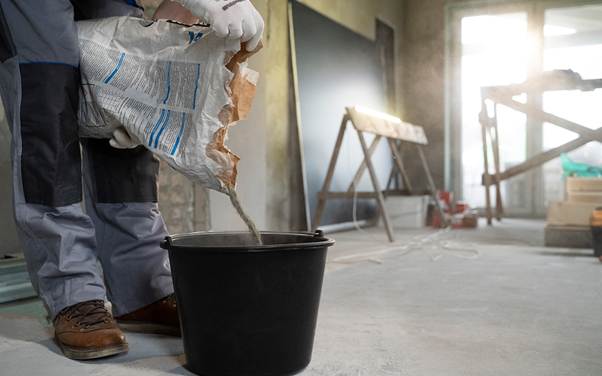
Mixing cement adhesive correctly is vital for its performance. Many users add too much or too little water by mistake, or they don’t mix it well. Too much water weakens the adhesive, lowering its bond strength and increasing shrinkage, while too little water makes the mix stiff and difficult to spread, stopping full contact.
Always follow the maker’s water-to-powder ratio exactly. Using a clean bucket and a mechanical mixer can help create a lump-free mix. Let the mixed tile glue or other cement adhesive “rest” (slake) for a few minutes as advised. Then, mix it briefly again before use. This helps chemicals activate fully, ensuring the adhesive sticks and is easy to work with.
3. Applying Too Much or Too Little Adhesive
Putting the wrong amount of cement adhesive is another typical error. Too little means insufficient contact with the material, leading to weak spots and potential cracking under pressure. Too much adhesive can cause uneven material heights or make it hard to set them level.
Use the correct notched trowel size. The maker and material type (e.g., tiles) usually recommend this. Maintain the trowel at around a 45-60 degree angle to make consistent ridges. For large tiles or outdoor use, “back-buttering” the tile helps. This means putting a thin layer of cementitious tile adhesive on the tile’s back in addition to the surface, ensuring maximum contact.
4. Disregarding Open Time and Pot Life
All cement adhesive products have limited “open time” and “pot life.” Open time is the longest time after spreading the adhesive that materials can still be laid and stick well. If materials are placed after this, the adhesive surface might have skinned over, preventing a full bond. Pot life is the total time the mixed adhesive stays workable in the bucket before it hardens.
Ignoring these times leads to weak bonds and wasted material. Only mix as much tile glue or other cementitious tile adhesive as you can use within its pot life. A reliable cement supplier will always set your materials within the open time. Regularly lift a piece of material (like a tile) to check for good “wetting out” (at least 80% coverage on the back), ensuring the adhesive is still active and bonding strongly.
5. Rushing Curing and Applying Early Pressure
After applying cement adhesive, proper curing is vital for it to get its full strength. A common mistake is walking on the bonded area or letting it get wet too soon. Early traffic can cause materials to shift, leading to bad alignment, cracks, or bond failure, while getting it wet too soon can also stop curing and weaken the bond.
Always follow the maker’s advised curing time. Wait before light walking, heavy loads, or grouting. This time varies with temperature, humidity, and adhesive type. Protecting the newly bonded area during this vital curing phase ensures the cement adhesive reaches its strongest bond, leading to a durable, lasting installation.
Conclusion
Avoiding these common mistakes in surface preparation, mixing, application, timing, and curing is key for successful projects using cement adhesive. By being meticulous, you can guarantee a stable and good-looking finish to the project. Proper use of this essential tile glue or other cement adhesive ensures your installed materials withstand daily use and maintain their integrity for years.
Achieve perfect results with high-quality cement adhesive. Contact Ardex – Quicseal Singapore for reliable building solutions.
